
Table of Contents
Mardi Himal Trek Transportation Guide
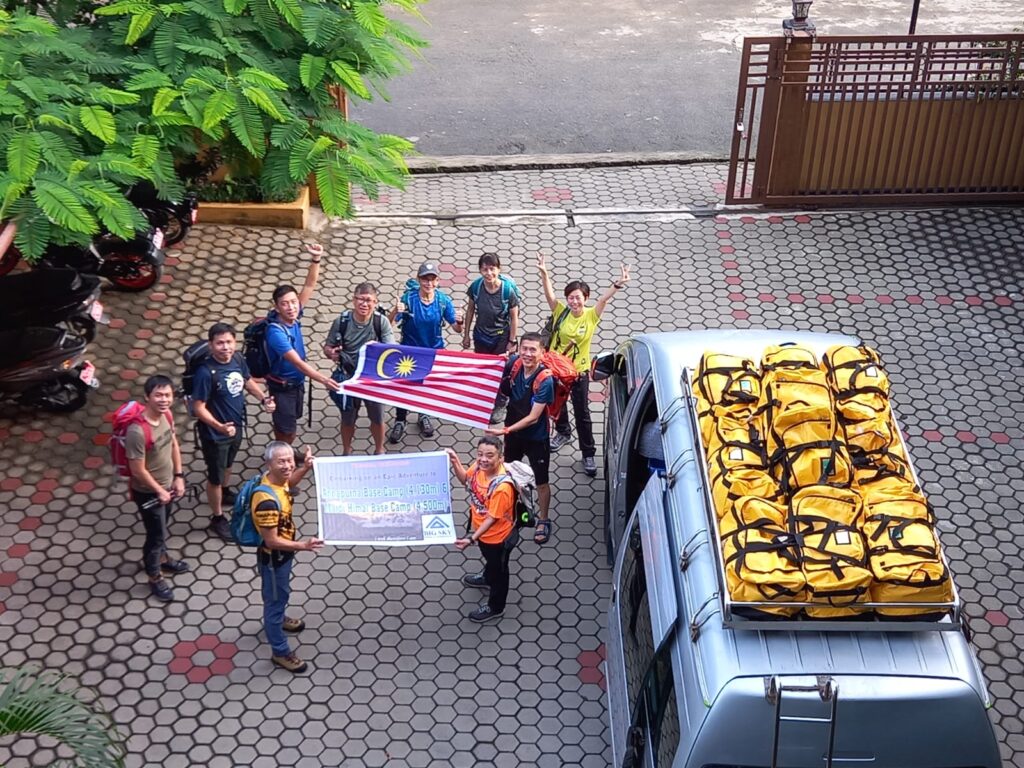
The Mardi Himal Trek Transportation Guide is your essential resource for planning a seamless journey to one of Nepal’s most breathtaking trekking destinations. Nestled in the Annapurna region, the Mardi Himal Trek offers stunning views of peaks like Machhapuchhre (Fishtail), Annapurna South, and Hiunchuli, all while being less crowded than other popular routes. A key part of preparing for this adventure is understanding the transportation options—jeep, bus, or private car—to reach the trailhead from Kathmandu or Pokhara. This guide breaks down each option, helping you choose the best fit for your budget, comfort, and schedule.
Overview of the Mardi Himal Trek
The Mardi Himal Trek is a relatively short and moderate trek, typically starting from Kande or Phedi, both near Pokhara, and culminating at the Mardi Himal Base Camp (4,500m). The trek is known for its serene trails, lush rhododendron forests, and panoramic Himalayan views, making it a favorite for both novice and seasoned trekkers. However, getting to the trailhead requires careful planning, as the journey begins with travel from Kathmandu to Pokhara, followed by a shorter trip from Pokhara to Kande or Pokhara to Phedi. Your choice of transportation options—jeep, bus, or private car—will significantly impact your experience, cost, and travel time.
Transportation Options: From Kathmandu to Pokhara
The first leg of your journey involves traveling approximately 200 km from Kathmandu to Pokhara, the gateway to the Annapurna Region. Here are the primary transportation options:
1. Bus
Buses are the most budget-friendly option for traveling from Kathmandu to Pokhara. They are widely available and cater to different comfort levels.
- Tourist Bus:
- Cost: USD 8–15 per person
- Duration: 7–10 hours (depending on road conditions and traffic)
- Details: Tourist buses are air-conditioned, relatively comfortable, and stop at roadside restaurants for breaks. They depart from Kathmandu’s Sorhakhutte bus park, typically between 7:00 AM and 8:00 AM. This is a great option for budget travelers looking to immerse themselves in the local experience while enjoying scenic views of rivers and valleys. However, road construction or poor conditions may extend travel time.
- Pros: Affordable, scenic route, frequent departures
- Cons: Longer travel time, less flexibility, potential for delays
- Deluxe or VIP Bus:
- Cost: USD 20–25 per person
- Duration: 7–8 hours
- Details: These buses offer more comfort, with better seating, Wi-Fi, and fewer stops. They are ideal for those seeking a balance between cost and comfort.
- Pros: More comfortable than standard tourist buses, reliable schedule
- Cons: More expensive, still subject to traffic delays
2. Private Car
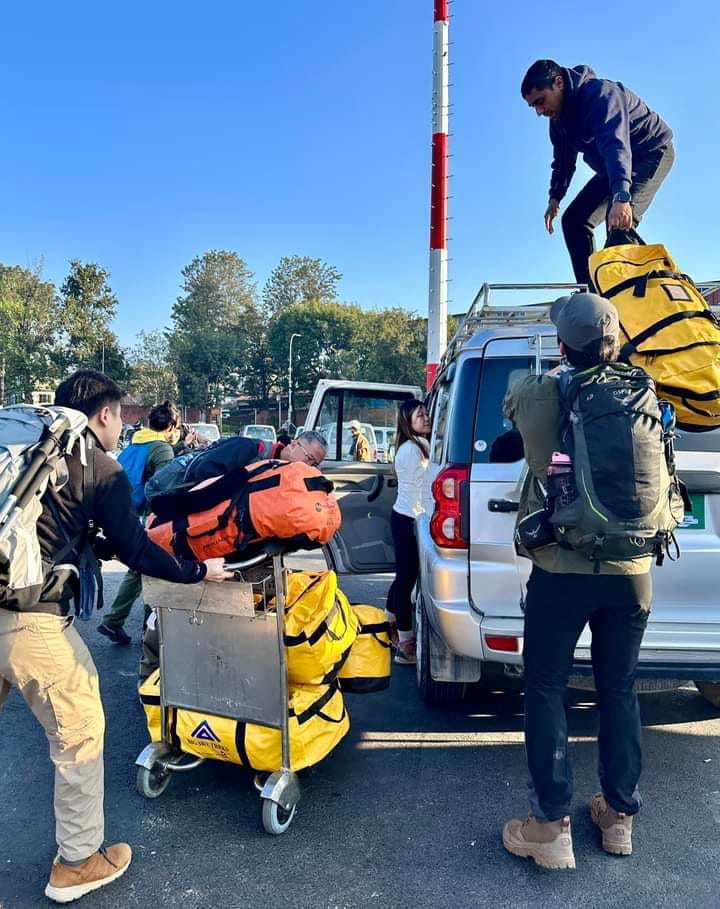
For those prioritizing comfort and flexibility, a private car is an excellent choice for the Kathmandu to Pokhara route.
- Cost: USD 100–150 (for up to 4 people)
- Duration: 6–7 hours
- Details: A private car offers a tailored experience, allowing you to stop for photos, meals, or breaks at your convenience. The cost can be split among a group, making it more economical for small parties. This option is faster than a bus and ideal for those with tight schedules or a preference for privacy.
- Pros: Flexible schedule, comfortable, faster than buses
- Cons: Higher cost, less immersive local experience
3. Flight
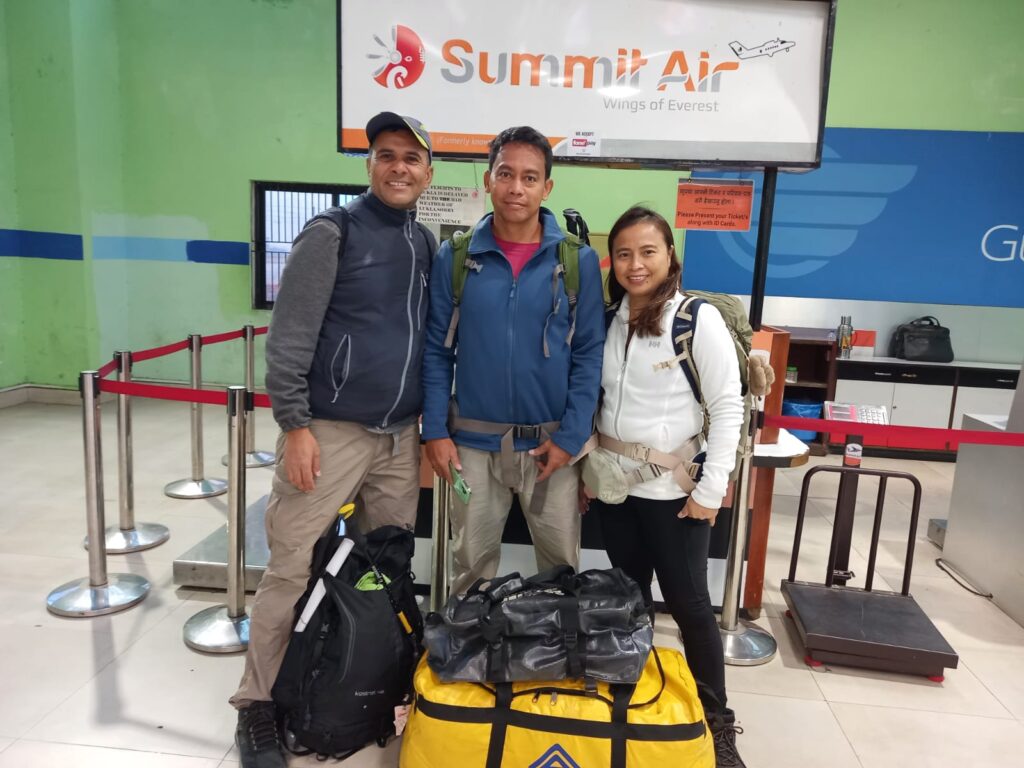
While not a ground transportation option, flights are worth mentioning for those short on time.
- Cost: USD 80–150 one-way
- Duration: 25–35 minutes
- Details: Domestic flights from Kathmandu to Pokhara are quick and offer stunning aerial views of the Himalayas. However, they are more expensive and subject to weather-related delays. This option is best for those prioritizing speed over budget.
- Pros: Fastest option, scenic aerial views
- Cons: Costly, weather-dependent, less eco-friendly
Transportation Options: From Pokhara to Kande or Phedi
Once in Pokhara, you’ll need to travel to the trek’s starting point, typically Kande (27 km, about 1 hour) or Phedi (14 km, about 40 minutes). Both locations are accessible by jeep, bus, or private car.
1. Local Bus
- Cost: NPR 200–300 (USD 1.50–2.50) per person
- Duration: 40 minutes (Phedi) to 1 hour (Kande)
- Details: Local buses depart from Pokhara’s Baglung Bus Park between 7:00 AM and 8:00 AM, with additional departures throughout the day. They are the cheapest option but can be crowded and less comfortable, especially on the gravel or off-road sections to Kande.
- Pros: Very affordable, frequent departures
- Cons: Crowded, less comfortable, limited schedule
2. Shared Jeep
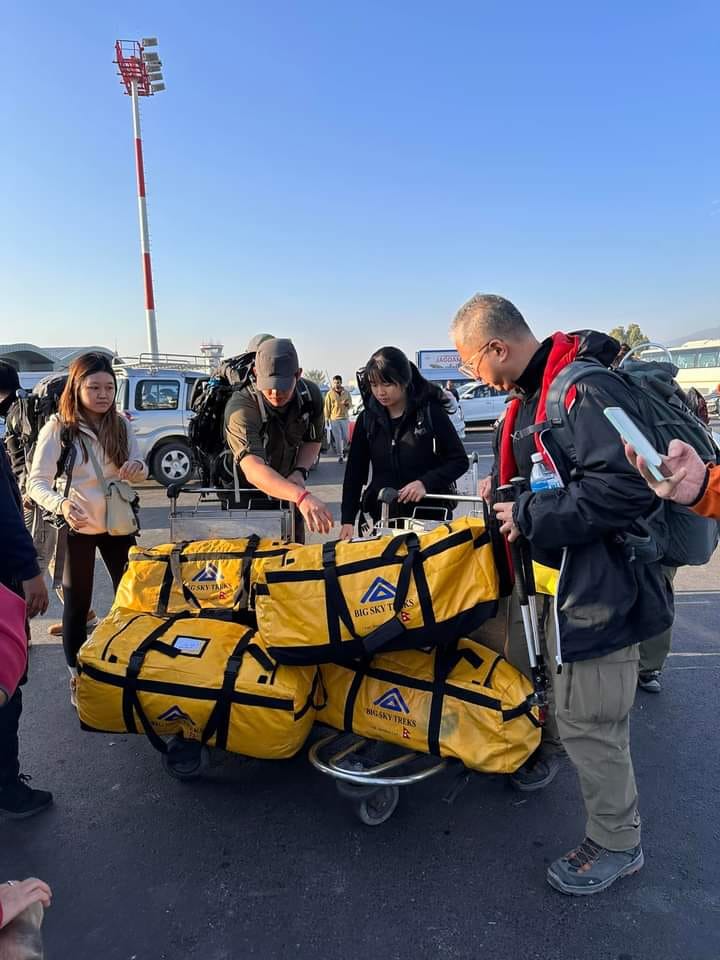
- Cost: USD 5–9 per person
- Duration: 40 minutes (Phedi) to 1 hour (Kande)
- Details: Shared jeeps are a popular choice for trekkers heading to Kande or Phedi. They depart from Baglung Bus Park when full or upon booking. Jeeps are better suited for the rougher road to Kande, offering a balance of cost and comfort.
- Pros: Affordable, better suited for off-road conditions, relatively quick
- Cons: Departure depends on availability, less private
3. Private Jeep or Taxi
- Cost: USD 15–30 (Phedi) or USD 30–70 (Kande, depending on group size)
- Duration: 40 minutes (Phedi) to 1 hour (Kande)
- Details: A private jeep or taxi offers the most comfort and flexibility, allowing you to start your trek on your schedule. The cost can be shared among a group, making it more affordable. This is the recommended option for Kande due to its off-road conditions.
- Pros: Comfortable, flexible, reliable for rough roads
- Cons: More expensive than shared options
Recommended Starting Point: Kande vs. Phedi
- Kande: The preferred starting point for most trekkers due to its gradual ascent and direct access to scenic trails like the Australian Camp. The road to Kande is partly off-road, making jeeps the better choice.
- Phedi: Closer to Pokhara, but the trail starts with a steep uphill climb, which may be challenging for beginners. It’s more accessible by bus or private car.
Recommendation: Start from Kande for a more scenic and gradual trek, using a private jeep for comfort, especially if traveling in a group.
Returning from Sidhing to Pokhara
After completing the trek, you’ll typically descend to Sidhing, the usual exit point. From Sidhing, transportation options back to Pokhara include:
- Private Jeep:
- Cost: USD 70–100 per jeep (shared among group members)
- Duration: 3–4 hours
- Details: The most common and convenient option, private jeeps can be arranged from Sidhing to Pokhara. They handle the rough terrain well and offer flexibility for groups.
- Pros: Comfortable, reliable, direct
- Cons: Higher cost
- Shared Jeep or Local Bus:
- Cost: USD 5–9 per person
- Duration: 3–4 hours (may require walking to Lumre for more options)
- Details: Shared jeeps or buses are less frequent and may require waiting or walking to a nearby village like Lumre. They are cheaper but less comfortable.
- Pros: Budget-friendly
- Cons: Less reliable, may involve waiting
Cost Comparison Table
| Route | Bus (USD) | Private Car/Jeep (USD) | Flight (USD) |
|---|---|---|---|
| Kathmandu to Pokhara | 8–25 | 100–150 | 80–150 |
| Pokhara to Kande/Phedi | 1.50–2.50 | 15–70 | N/A |
| Sidhing to Pokhara | 5–9 | 70–100 | N/A |
Tips for Choosing the Right Transportation
- Budget Travelers: Opt for tourist buses from Kathmandu to Pokhara and local buses or shared jeeps to Kande or Phedi. This keeps costs low while still being practical.
- Comfort Seekers: Choose a private car or jeep for both legs of the journey. The flexibility and comfort are worth the extra cost, especially for groups.
- Time-Constrained Travelers: Consider a flight to Pokhara and a private jeep to Kande to save time.
- Group Travel: Split the cost of a private jeep or private car to make it more affordable.
- Road Conditions: The road to Kande can be rough, so jeeps are recommended over regular cars. Check road conditions during the monsoon season (June–August).
- Advance Booking: Book buses or private vehicles through trekking agencies or local operators in Kathmandu or Pokhara for smoother logistics.
Additional Considerations for Trek Planning
- Permits: You’ll need an Annapurna Conservation Area Permit (ACAP, USD 30) and a Trekkers’ Information Management System (TIMS) Card (USD 20 for individuals, USD 10 with an agency). These can be obtained in Kathmandu or Pokhara.
- Guides and Porters: Hiring a guide (USD 25–35/day) or porter (USD 18–25/day) can enhance your experience and support local communities. They can also assist with arranging transportation.
- Seasonal Factors: The best seasons for the Mardi Himal Trek are spring (March–May) and autumn (September–November). Avoid the monsoon season for safer road travel.
- Gear and Supplies: Pokhara has rental shops for trekking gear, reducing the need to carry heavy equipment from Kathmandu.
Faq’s
What is the best way to travel from Kathmandu to Pokhara for the Mardi Himal Trek?
The best way depends on your budget and time constraints. For budget travelers, a tourist bus (USD 8–25, 7–10 hours) is affordable and scenic. For comfort and speed, a private car (USD 100–150, 6–7 hours) or a flight (USD 80–150, 25–35 minutes) is ideal. Most trekkers prefer the tourist bus for its balance of cost and experience.
Should I start the Mardi Himal Trek from Kande or Phedi?
Kande is the preferred starting point due to its gradual ascent and scenic trails through places like Australian Camp. Phedi is closer to Pokhara but involves a steep initial climb, which may be challenging for beginners. A private jeep to Kande (USD 30–70) is recommended due to the rougher road.
How much does transportation to the Mardi Himal Trek cost?
Costs vary by option: Kathmandu to Pokhara: Bus (USD 8–25), Private Car (USD 100–150), Flight (USD 80–150).
Pokhara to Kande/Phedi: Local Bus (USD 1.50–2.50), Shared Jeep (USD 5–9), Private Jeep (USD 15–70).
Sidhing to Pokhara: Shared Jeep/Bus (USD 5–9), Private Jeep (USD 70–100).
Are jeeps better than buses for reaching the Mardi Himal trailhead?
Yes, jeeps (especially private ones) are better for reaching Kande due to the off-road conditions. They are more comfortable and reliable than local buses, which can be crowded and less frequent. For Phedi, buses are viable due to the shorter, paved route, but jeeps still offer more flexibility.
How do I arrange transportation back from Sidhing after the trek?
From Sidhing, a private jeep (USD 70–100) is the most convenient option, taking 3–4 hours to Pokhara. Shared jeeps or local buses (USD 5–9) are cheaper but may require walking to Lumre or waiting for availability. Booking through a travel agency like Mardi Treks can simplify this process.
How Mardi Treks will Help You?
Mardi Treks, a trusted travel agency specializing in trekking in Nepal, offers comprehensive support to ensure a hassle-free Mardi Himal Trek. Here’s how they can assist:
- Tailored Transportation Arrangements: Mardi Treks organizes ground transportation tailored to your preferences, whether you choose a tourist bus, private car, or private jeep for the Kathmandu to Pokhara journey and the Pokhara to Kande/Phedi or Sidhing to Pokhara legs. They secure reliable vehicles and experienced drivers, ensuring safe and timely travel, especially on rough routes to Kande or Sidhing.
- Seamless Logistics Planning: The agency handles all logistics, including booking buses, jeeps, or flights, so you don’t need to navigate local transport schedules or haggle over prices. They can also arrange return transportation from Sidhing, ensuring you’re not stranded after your trek.
- Permit Assistance: Mardi Treks simplifies the process of obtaining necessary permits, such as the Annapurna Conservation Area Permit (ACAP, USD 30) and Trekkers’ Information Management System (TIMS) Card (USD 10–20), which are required for the Mardi Himal Trek.
- Guides and Porters: They provide experienced guides (USD 25–35/day) and porters (USD 18–25/day) who know the Annapurna Region well. These professionals not only enhance your trekking experience with local insights but can also assist with transportation coordination at trailheads.
- Customized Itineraries: Mardi Treks designs trek planning packages that include transportation, accommodation, and meals, allowing you to focus on enjoying the Himalayan adventure. They can recommend starting from Kande or Phedi based on your fitness level and preferences.
- Cost-Effective Group Options: For groups, Mardi Treks arranges shared private jeeps or cars to reduce travel costs, making premium transportation options more affordable.
- Local Expertise and Support: With deep knowledge of Nepal trekking routes and conditions, Mardi Treks advises on the best seasons (spring or autumn) and prepares you for potential challenges like monsoon road conditions. They offer 24/7 support for any travel-related issues.
By partnering with Mardi Treks, you gain peace of mind, knowing that every detail of your Mardi Himal Trek Transportation is expertly handled, letting you immerse yourself in the stunning landscapes and cultural richness of the Annapurna Region. Contact Mardi Treks via their website or in Pokhara/Kathmandu offices to start planning your unforgettable Himalayan adventure!
Conclusion
The Mardi Himal Trek Transportation Guide highlights the importance of choosing the right transportation options to suit your needs. Whether you opt for the budget-friendly bus, the rugged reliability of a jeep, or the comfort of a private car, each option offers a unique way to begin your Himalayan adventure. For most trekkers, a combination of a tourist bus from Kathmandu to Pokhara and a private jeep to Kande strikes the perfect balance of cost and convenience. By planning ahead and understanding the costs and logistics, you can focus on enjoying the stunning landscapes and cultural richness of the Mardi Himal Trek.
Contact Us:
Contact US
Location: Mardi Treks, Nepal
Email: info@marditreks.com
Phone: +977 9864379436