

How Difficult Is the Mardi Himal Trek? A Complete Difficulty Guide
The Mardi Himal Trek has become one of the most popular short treks in Nepal's Annapurna region, and for good reason. It offers close-up views of Machhapuchhre (Fishtail), Annapurna South, and Hiunchuli without the long commitment of the Annapurna Circuit or Annapurna Base Camp treks. But if you're planning this trip, the question on most people's minds is simple: how hard is it actually going to be?
This guide breaks down the real difficulty of the Mardi Himal Trek — the terrain, altitude, daily walking hours, and who this trek is genuinely suited for — so you can plan with confidence.
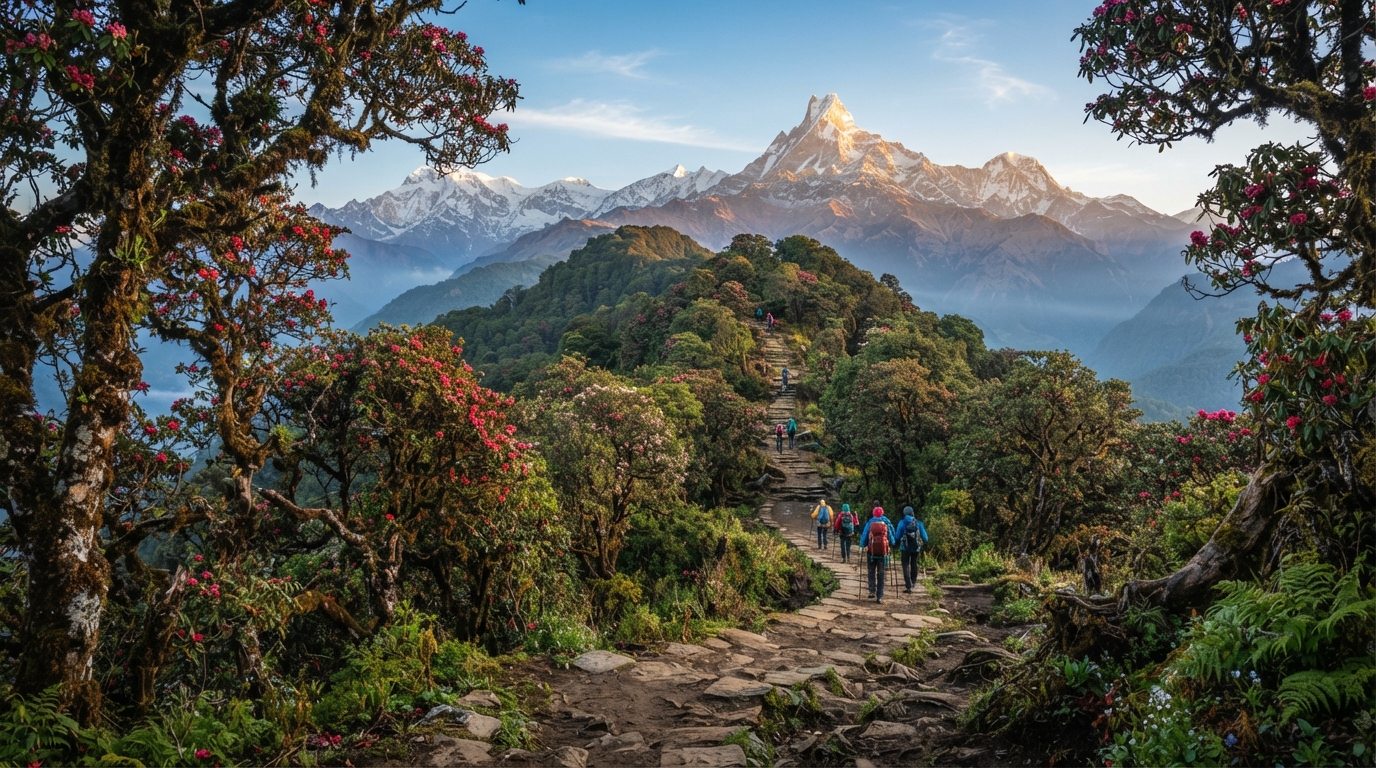
Overall Difficulty Rating: Moderate
Compared to other treks in Nepal, Mardi Himal sits in the moderate category. It's more challenging than short valley walks like Poon Hill, but considerably easier than high-altitude treks like Everest Base Camp or the Annapurna Circuit. Most reasonably fit trekkers with some hiking experience complete it without major issues, though the steep sections and thinning air near the top do require a baseline level of fitness.
If you had to place it on a 1–10 difficulty scale (10 being the hardest treks in Nepal), Mardi Himal typically lands around a 5–6.
Trek Duration and Route
Most itineraries run 5 to 7 days, including a rest or buffer day, starting and ending near Pokhara. A typical route looks like this:
Kande or Phedi to Deurali
Deurali to Forest Camp / Low Camp
Low Camp to High Camp
High Camp to Mardi Himal View Point (3,970–4,500 m) and back to Low Camp
Descent back to the trailhead
The shorter overall length is one reason this trek is considered more approachable than Nepal's longer classics.
Altitude and Its Role in Difficulty
The highest point of the trek, the Mardi Himal View Point, sits at approximately 4,500 meters (14,764 feet). This is high enough that altitude sickness is a genuine risk, even though the trek is short.
Because the ascent happens relatively quickly compared to longer treks, altitude is arguably the biggest difficulty factor on Mardi Himal — more so than the physical terrain itself. Symptoms like headaches, fatigue, and shortness of breath are common above 3,500 meters if you push too fast.
Tips for managing altitude:
Walk at a slow, steady pace, especially above Low Camp
Stay hydrated (3–4 liters of water per day)
Avoid alcohol and sleeping pills at altitude
Consider an extra acclimatization day if your schedule allows
Descend immediately if symptoms worsen
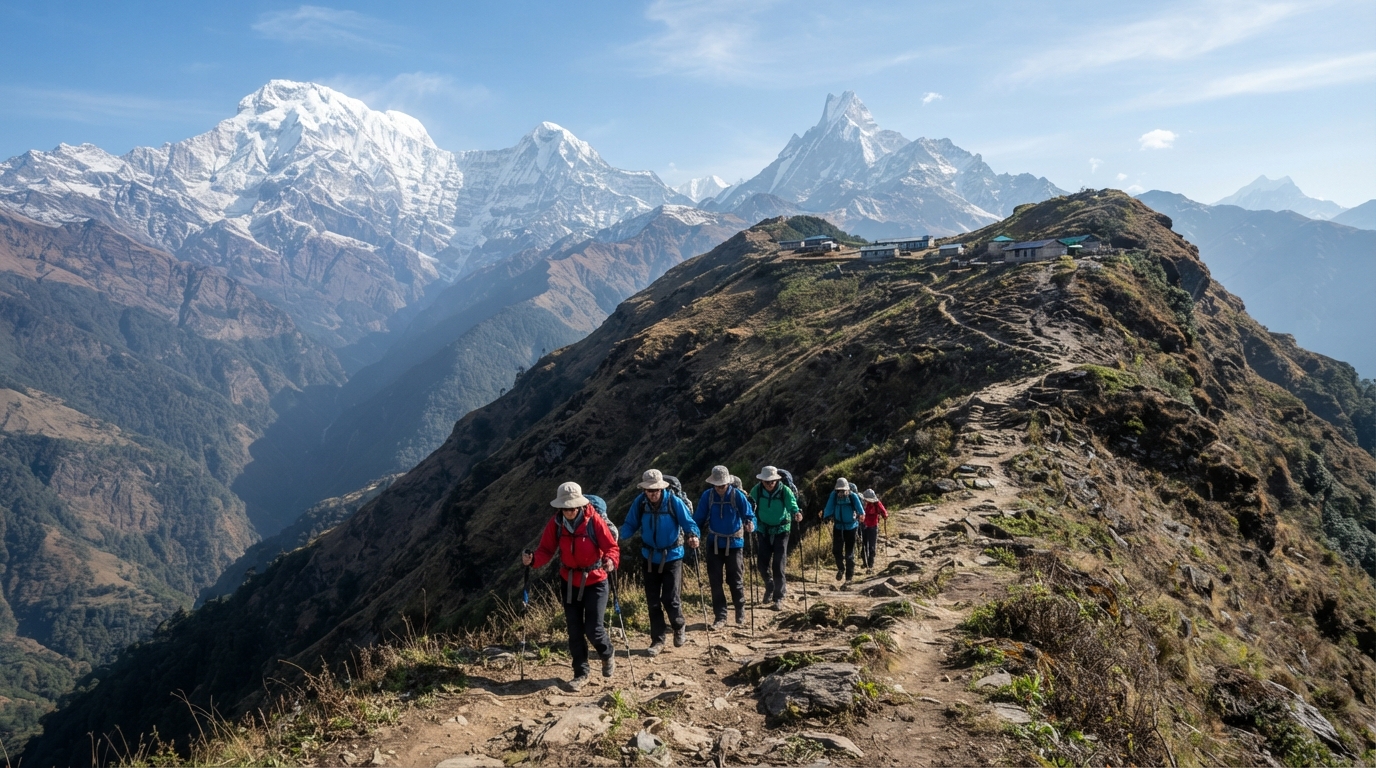
Terrain: What the Trail Actually Feels Like
The trail is a mix of:
Forested sections with moderate, well-maintained paths through rhododendron and oak forest (lower half of the trek)
Steep, narrow ridgelines above Low Camp, especially between High Camp and the View Point
Rocky, sometimes muddy or icy patches, particularly in shoulder seasons
Unlike treks with long flat river valleys, Mardi Himal involves consistent uphill and downhill walking with few flat stretches. Trekking poles are genuinely useful here, not just optional gear.
Daily Walking Hours
Expect 5 to 7 hours of walking per day on average, with the day to High Camp and the summit push being the longest and most tiring — often 6-8 hours combined with the early morning viewpoint hike.
A sample of daily hours:
Day 1: 5–6 hours
Day 2: 5–6 hours
Day 3 (to High Camp): 4–5 hours
Day 4 (View Point + descent): 6–8 hours
Day 5: 5–6 hours descent
Who Can Do the Mardi Himal Trek?
Good fit for:
First-time trekkers with reasonable fitness
Trekkers short on time who still want high-mountain views
Those who've done day hikes or short multi-day treks before
Requires more preparation for:
People with no hiking background at all
Trekkers with respiratory or cardiovascular conditions (consult a doctor first)
Anyone attempting it without any physical preparation beforehand
Children and older trekkers can complete Mardi Himal, but a slower itinerary with an extra acclimatization day is recommended.
How to Prepare
A few weeks of preparation makes a noticeable difference in how the trek feels:
Cardio training — hiking, running, or stair climbing, 3–4 times a week for at least a month before departure
Leg strength — squats, lunges, and step-ups to prepare for sustained ascents and descents
Practice hikes — ideally with a loaded daypack, to simulate trail conditions
Break in your boots — blisters cause more trek-ending problems than fatigue does
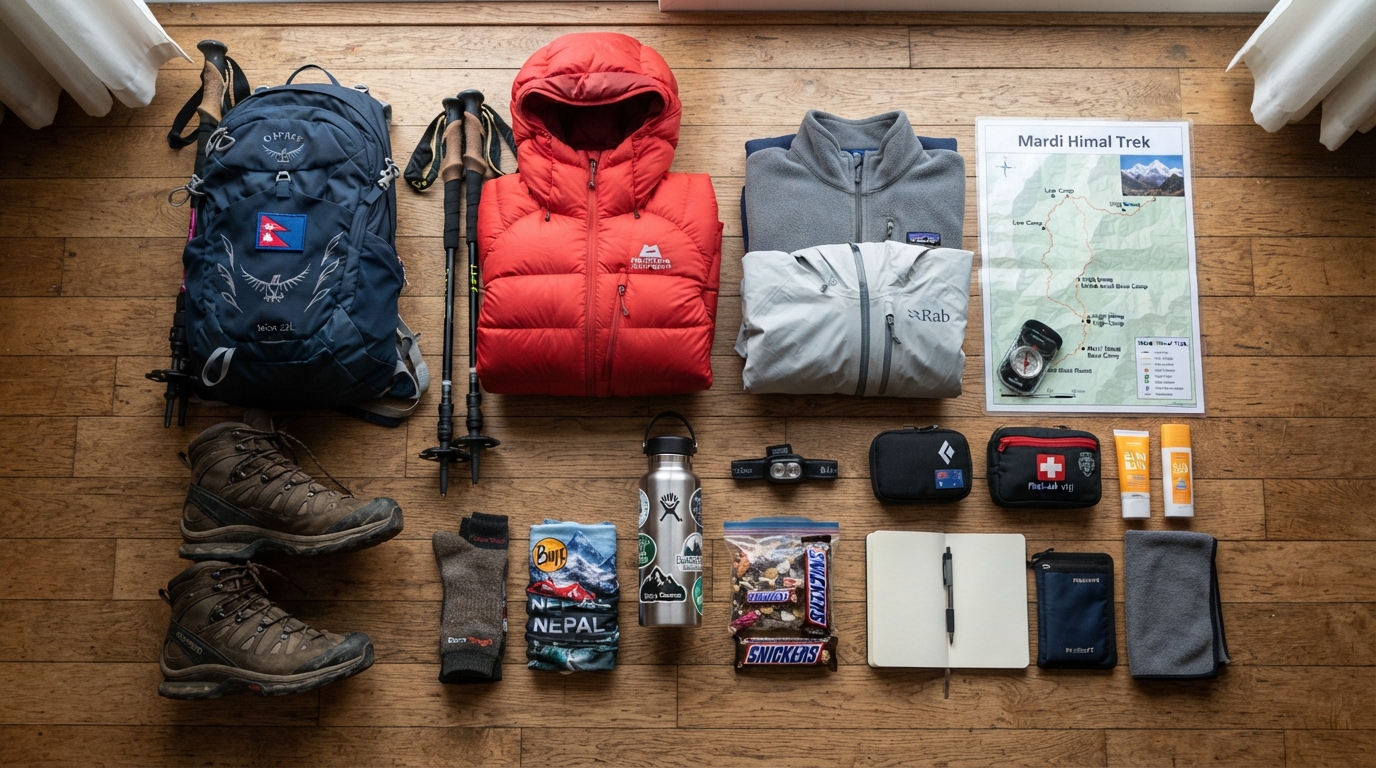
Best Time to Trek for Easier Conditions
Difficulty also depends heavily on season:
March to May (Spring): Moderate difficulty, blooming rhododendrons, generally stable trails
September to November (Autumn): Considered the easiest window — clear skies, dry trails, best visibility
December to February (Winter): Colder, possible snow near High Camp, trails can be slippery
June to August (Monsoon): Muddy, leech-prone trails, limited visibility — hardest season logistically, though still doable with the right gear
If minimizing difficulty is a priority, autumn is the most forgiving season to trek Mardi Himal.
How Mardi Himal Compares to Other Treks
Trek | Max Altitude | Duration | Relative Difficulty |
|---|---|---|---|
Poon Hill | ~3,210 m | 3–4 days | Easy |
Mardi Himal | ~4,500 m | 5–7 days | Moderate |
Annapurna Base Camp | ~4,130 m | 7–10 days | Moderate–Challenging |
Everest Base Camp | ~5,364 m | 12–14 days | Challenging |
This puts Mardi Himal in a solid middle ground — significantly more rewarding in terms of views than Poon Hill, without the extended commitment of ABC or EBC.
Do You Need a Guide or Porter?
While independent trekking is technically possible, hiring a licensed guide is strongly recommended and, per current Nepal government trekking regulations for the Annapurna region, generally required for solo trekkers. A guide reduces route-finding difficulty, helps monitor altitude symptoms, and can arrange accommodation during peak season when teahouses fill up quickly. A porter is optional but makes the trek noticeably easier if you're not used to carrying a full pack for multiple days.
Check current Annapurna Conservation Area permit and guide requirements.
Final Verdict: Is Mardi Himal Trek Difficult?
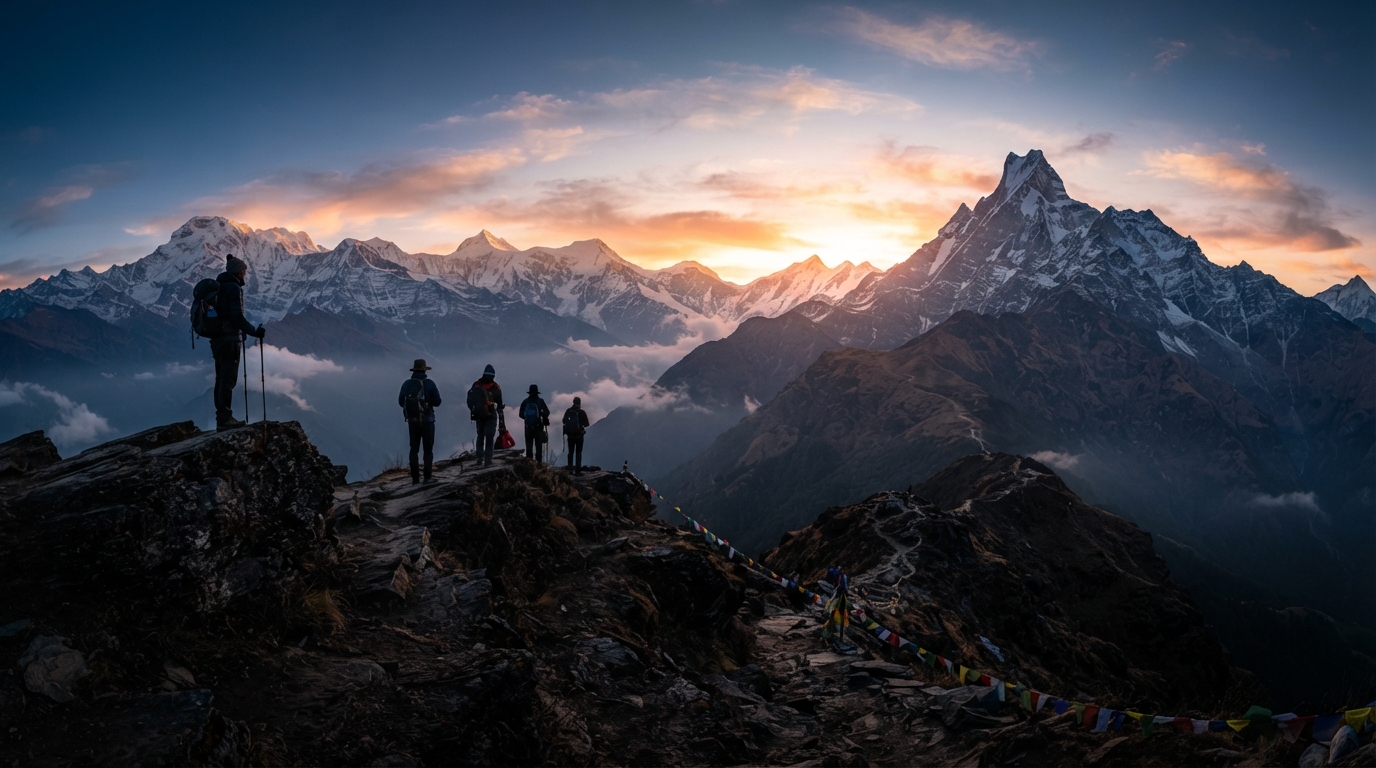
The Mardi Himal Trek is a moderately difficult trek — accessible to first-time trekkers with decent fitness, but not to be underestimated because of its short length. The biggest challenges are altitude above 3,500 meters and the steep terrain near High Camp, not the overall distance or duration.
With proper preparation, a sensible pace, and the right season, most trekkers find Mardi Himal to be a rewarding and manageable introduction to high-altitude trekking in Nepal.
Ready to plan your trek? Contact our trekking experts for a customized Mardi Himal itinerary