Did you know?
Mardi Himal is a trekking peak standing at 5,587 metres (18,330 ft) in the Annapurna region of Nepal.

Govt. Regd. No: 155491/073/074
Licence No: 142
Mardi Himal is a trekking peak standing at 5,587 metres (18,330 ft) in the Annapurna region of Nepal.

The Mardi Himal Trek from Pokhara is a spectacular journey through the Annapurna region, offering breathtaking mountain
Porter
$193 $175/porter
No payment required yet
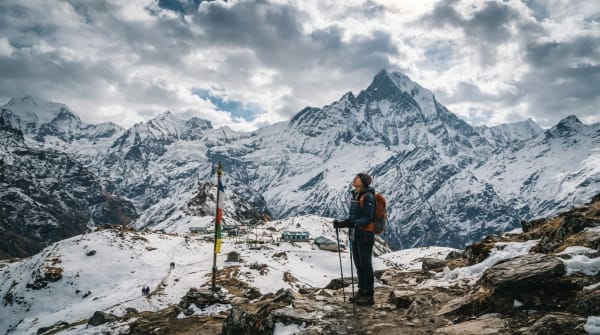
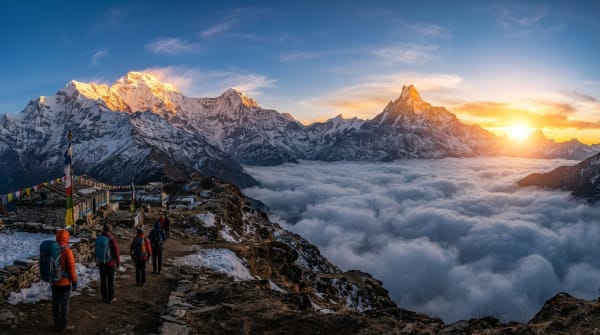
The Mardi Himal Trek from Pokhara is a spectacular journey through the Annapurna region, offering breathtaking mountain views, peaceful forest trails, and authentic Himalayan experiences. This 5-Day Mardi Himal Trek begins with a scenic drive from Pokhara and takes you to Mardi Himal Base Camp, where you'll enjoy panoramic views of Machhapuchhre, Annapurna South, Hiunchuli, and the surrounding peaks.
Ideal for both beginners and experienced trekkers, the Pokhara to Mardi Himal Trek is considered one of the best options for a Short Trek in Nepal. With its well-maintained trails, cozy teahouses, and diverse landscapes, the Mardi Himal Base Camp Trek provides an unforgettable adventure and remains a standout among the many routes in the Annapurna Region Trek network.
Scenic Drive to Kande and Trek to Pitam Deurali: Start your journey with a picturesque drive from Pokhara to Kande, followed by a rewarding trek through rhododendron forests to the peaceful settlement of Pitam Deurali.
Journey Through Lush Forests to High Camp: Trek from Pitam Deurali to Low Camp and continue to High Camp, passing dense forests, alpine meadows, and scenic ridgelines with stunning Himalayan views.
Sunrise Hike to Mardi Himal Base Camp (4,500 m): Experience an unforgettable early morning hike to Mardi Himal Base Camp, where breathtaking panoramas of Machhapuchhre, Annapurna South, Hiunchuli, and Mardi Himal await.
Scenic Return via Low Camp and Siding Village: Descend through peaceful forests to the traditional Gurung village of Siding, enjoying tranquil mountain landscapes and authentic local culture along the way.
Complete Mardi Himal Trek from Pokhara in Five Days: Enjoy a well-paced adventure that combines spectacular mountain scenery, diverse landscapes, and convenient transportation to and from Pokhara.
Follow our carefully planned 5-day itinerary through scenic forests, mountain ridges, and Himalayan viewpoints on an unforgettable journey to Mardi Himal Base Camp.
Drive from Pokhara to Kande before beginning a scenic trek through rhododendron forests and traditional villages. The trail gradually ascends to Pitam Deurali, offering the first glimpses of the Annapurna range. Enjoy a peaceful evening surrounded by lush hills and mountain landscapes.
Today's trail passes through dense rhododendron and oak forests as you continue deeper into the Mardi Himal region. As the elevation increases, the scenery transforms into a more alpine environment with increasingly spectacular mountain views. Low Camp serves as an excellent vantage point for Machhapuchhre (Fishtail Mountain).
The trail climbs above the tree line, revealing dramatic landscapes and uninterrupted Himalayan panoramas. You will pass through Badal Danda before reaching High Camp, the final stop before the base camp hike. The crisp mountain air and sunset views make this one of the highlights of the trek.
Start before sunrise for an unforgettable hike to Mardi Himal Base Camp, where stunning views of the Annapurna massif await. After spending time at the base camp, descend through the same scenic trail back to Low Camp for a well-deserved rest. This is the most rewarding and memorable day of the journey.
Descend through beautiful forests and terraced farmlands to reach Siding Village, a traditional Gurung settlement in the Annapurna region. From Siding, enjoy a scenic drive back to Pokhara, marking the end of your Himalayan adventure. Celebrate your successful trek with a relaxing evening by the lakeside.
Review everything included in your package, along with any personal expenses and optional services.
Private transportation between Pokhara, Kande, and Siding as per the itinerary.
All required trekking permits (ACAP and TIMS).
Professional English-speaking licensed trekking guide.
Accommodation in local teahouses during the trek.
Three meals a day (breakfast, lunch, and dinner) while trekking.
Group trekking map for route guidance.
All government taxes, service charges, and permit fees.
First aid kit carried by the guide for basic emergencies.
International and domestic flight tickets.
Nepal entry visa fees.
Travel insurance (including emergency evacuation coverage).
Personal trekking equipment and clothing.
Porter services (available upon request at an additional cost).
Snacks, hot showers, Wi-Fi, charging fees, and beverages.
Personal expenses such as laundry, phone calls, and souvenirs.
Tips for guides, drivers, and support staff.
Additional transportation or accommodation outside the itinerary.
Explore the complete Mardi Himal Trek route from Pokhara, featuring key stops, elevation points, and breathtaking viewpoints along the journey to Mardi Himal Base Camp.
Loading map...
Choose the package that best fits your travel style and group size, with transparent pricing and no hidden fees for your Mardi Himal Trek from Pokhara.
Enhance your trekking experience with optional add-ons designed to provide extra comfort, convenience, and flexibility throughout your journey.
The Mardi Himal Trek offers a memorable experience in every season, but some months provide better weather, clearer mountain views, and more comfortable trekking conditions. Here are the seasons ranked from best to least favorable for the trek.
Autumn is widely regarded as the best season for the Mardi Himal Trek. Clear skies, stable weather, and breathtaking Himalayan panoramas create perfect trekking conditions, making it the most popular time to visit the Annapurna region.
Spring is the second-best season, known for its blooming rhododendron forests and pleasant temperatures. The combination of colorful landscapes and excellent visibility makes it a fantastic time for both trekking and photography.
Winter offers quieter trails and snow-covered scenery, especially at higher elevations. While colder temperatures require additional preparation, trekkers can enjoy a peaceful and unique Himalayan experience with fewer visitors.
Summer is the least recommended season due to frequent rainfall, muddy trails, and reduced mountain visibility. However, those seeking solitude and lush green landscapes may still find the trek rewarding during this time of year.
Altitude sickness is uncommon on the Mardi Himal Trek but can occur as you ascend above 3,000 meters, particularly near High Camp and Mardi Himal Base Camp (4,500 m). Common symptoms include headache, dizziness, nausea, fatigue, and shortness of breath. To minimize the risk, trekkers are advised to stay hydrated, maintain a steady pace, and inform their guide immediately if symptoms develop. With proper acclimatization and guidance, most trekkers complete the journey safely and comfortably.
Pack smart and travel light to ensure a comfortable and enjoyable Mardi Himal Trek. This essential packing list covers everything you'll need for changing weather conditions and high-altitude trekking in the Annapurna region.
Head: Sun hat or cap, warm woolen hat/beanie, sunglasses, headlamp.
Neck: Buff or neck gaiter, lightweight scarf.
Upper Body: Moisture-wicking T-shirts, fleece jacket, insulated jacket, waterproof shell jacket, thermal base layer.
Hands: Lightweight gloves, warm insulated gloves.
Lower Body: Trekking pants, thermal leggings, waterproof rain pants.
Feet: Trekking boots, camp shoes or sandals, trekking socks, woolen socks.
Backpack & Bags: Daypack (20–30L), rain cover, dry bags.
Personal Items: Water bottle, sunscreen, lip balm, toiletries, quick-dry towel, hand sanitizer, wet wipes.
Trekking Essentials: Trekking poles, power bank, camera, chargers, snacks, water purification tablets.
Documents: Passport copy, travel insurance, passport-sized photos, cash.
Optional: Book or journal, binoculars, earplugs, small first-aid kit, gaiters.
Enjoy a variety of freshly prepared meals throughout the trek, ranging from traditional Nepali dishes to international favorites. Teahouses along the trail offer hearty and nutritious food to keep you energized as you explore the stunning landscapes of the Mardi Himal region.
Breakfast: Tea or coffee, porridge, eggs, toast, pancakes, muesli, Tibetan bread.
Lunch: Dal Bhat, fried rice, noodles, momos, pasta, soups, chapati.
Dinner: Dal Bhat, curry dishes, noodles, spaghetti, fried rice, pizza, soups.
Drinks: Black tea, ginger tea, lemon tea, coffee, hot chocolate, bottled water (extra cost).
Snacks: Biscuits, chocolate bars, energy bars, popcorn, and seasonal fruits (availability may vary).
Accommodation during the Mardi Himal Trek consists of traditional teahouses that provide a comfortable and authentic Himalayan experience. Rooms are typically twin-sharing with basic amenities, while common dining areas offer a warm and welcoming place to relax after a day on the trail. Although facilities become simpler at higher elevations, the hospitality of the local communities and the stunning mountain surroundings make every overnight stay a memorable part of the journey.
Find answers to the most common questions about the Mardi Himal Trek from Pokhara, including difficulty, permits, accommodation, and the best time to visit.
Yes. The Mardi Himal Trek is suitable for beginners with a reasonable level of fitness. The trail is well-established and does not require technical climbing. Regular walking or light hiking before the trek will help you enjoy the journey more comfortably.
The Mardi Himal Trek is considered a moderate trek. Expect daily walks of 5–7 hours with gradual elevation gain and some steep uphill sections. Good physical fitness and a steady pace are enough for most trekkers to complete the trek successfully.
Most trekking days involve 5 to 7 hours of walking, depending on the route and weather conditions. The longest day is the hike to Mardi Himal Base Camp and the return trek to Low Camp, making it the most physically demanding day of the itinerary.
The Mardi Himal Trek requires an Annapurna Conservation Area Permit (ACAP). Most trekking companies arrange the permit before your departure, allowing you to begin your trek without any additional paperwork.
Yes. Current regulations require most foreign trekkers to be accompanied by a licensed guide. A guide also enhances your experience by ensuring safety, handling logistics, sharing local knowledge, and assisting throughout the trek.
The trek rewards you with spectacular views of Machhapuchhre (Fishtail), Mardi Himal, Annapurna South, Hiunchuli, and the Annapurna range. The panoramic scenery becomes even more impressive as you approach High Camp and Mardi Himal Base Camp.
Yes. Mobile network coverage is available in many parts of the trail, although the signal becomes weaker at higher elevations. Several teahouses also offer paid Wi-Fi, but connection speeds may vary depending on the location.
Most teahouses provide hot showers and charging facilities for an additional fee. These services are generally available throughout the trek, although availability may become limited at higher elevations or during peak trekking seasons.
Carrying NPR 2,000–4,000 per day is usually enough for personal expenses such as drinks, snacks, Wi-Fi, hot showers, charging devices, and small purchases. Since there are no ATMs along the trekking route, bring enough cash from Pokhara.
The Mardi Himal Trek offers a quieter alternative to Nepal's more popular trekking routes. It combines lush rhododendron forests, scenic ridgelines, authentic teahouse experiences, and breathtaking views of the Annapurna range, all within a relatively short and rewarding itinerary.
Capture the beauty and spirit of trekking in Nepal.
This trek runs every week on the selected day(s). Choose custom dates for one-off departures.
Showing fixed departures in Oct 2026
Contact us to plan your next Himalayan adventure.
Email Us
info@marditreks.com
Call Us
+977-9864379436
Office
Lakeside, Pokhara, Nepal
Office Hours
Sun-Fri: 9AM-6PM
You might also like these treks
Porter
$193 $175/porter
No payment required yet