

Travel insurance is the least exciting item on any trekking checklist, and also one of the most important. On the Mardi Himal Trek, you will spend several days on a remote ridge and climb to around 4,500 meters. Serious problems are rare, but if one happens, such as severe altitude sickness, a broken ankle on the descent or a fall on ice above High Camp, the cost of evacuation and hospital treatment can be enormous. The right insurance turns a potential financial disaster into a manageable situation, and without it, most reputable trekking agencies will not take you on the trail at all.
This guide explains exactly what your insurance should cover for the Mardi Himal Trek, the fine print to watch out for, how helicopter evacuation works in practice, and what to do if you ever need to make a claim. It is general information rather than financial advice, so always read your own policy wording carefully and ask your insurer if anything is unclear.
Why Insurance Matters on Mardi Himal
The Mardi Himal Trek is short and well travelled, but it is still a mountain trek in a developing country with limited medical facilities outside the cities. The nearest well-equipped hospitals are in Pokhara and Kathmandu. If you are seriously ill or injured at High Camp, the fastest way to get treatment is usually a helicopter, and helicopter evacuations in Nepal are expensive, often running to several thousand US dollars for a single flight. Hospital treatment, specialist care and repatriation to your home country can add much more.
Insurance also covers less dramatic problems that can still cost a lot of money. Illness before departure might force you to cancel, flights between Kathmandu and Pokhara can be delayed by weather, luggage can go missing, and the trek can be cut short by injury. Without cancellation and interruption cover, you would lose what you have already paid. For all of these reasons, travel insurance is a condition of booking with us and with every responsible trekking company in Nepal.
The Altitude Limit: The Most Important Detail
The single most important thing to check is the maximum altitude your policy covers for trekking. Mardi Himal Base Camp sits at around 4,500 meters, and your policy must cover you to at least that height. Many standard travel insurance policies only cover hiking up to 2,000 or 3,000 meters, and some exclude trekking altogether unless you buy an add-on. If you are injured above your policy's altitude limit, the insurer may refuse to pay for your evacuation or treatment.
Look for wording such as "trekking up to 4,500 meters", "trekking up to 5,000 meters" or "trekking up to 6,000 meters with no technical climbing". A limit of 5,000 or 6,000 meters gives you a comfortable margin and also covers you if you later extend your trip to a higher trek. Make sure the policy specifies trekking rather than mountaineering; the Mardi Himal Trek does not involve ropes or ice axes in normal conditions, so a trekking policy is appropriate. If you plan to climb Mardi Himal peak or any other summit, you will need specialist mountaineering cover instead.
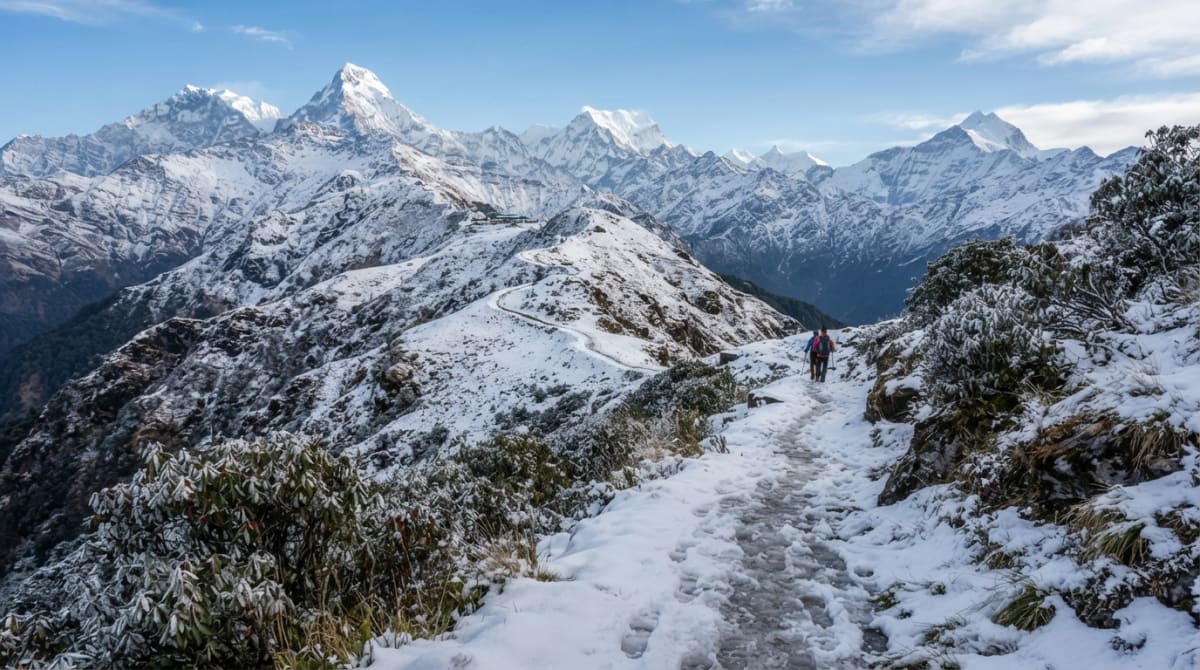
Emergency Evacuation and Helicopter Rescue
Your policy must include emergency evacuation or search and rescue, specifically covering helicopter evacuation from remote mountain areas. This is the benefit you are most likely to need if something serious happens on the trek. Check the maximum amount covered for evacuation and make sure it is high enough; a helicopter flight plus hospital treatment in Pokhara or Kathmandu can quickly exceed low limits. Some policies cover evacuation only to the nearest suitable hospital, while better policies also cover repatriation to your home country if medically necessary.
It is also important to understand how your insurer handles evacuations. Most require you or your agency to contact their emergency assistance line before a helicopter is dispatched, so they can confirm cover and authorise payment. In a life-threatening emergency, rescue will usually proceed while details are sorted out, but having your policy number and emergency number ready speeds everything up. Read our guide to helicopter rescue on Mardi Himal for how evacuations work in practice.
Medical Treatment Abroad
Medical cover pays for hospital treatment, doctors, medicine and related costs if you fall ill or are injured during your trip. For Nepal, choose a policy with a generous medical limit, as private hospitals in Kathmandu that treat foreign visitors can be expensive, and serious cases may require evacuation to another country. Check whether the policy pays hospitals directly or expects you to pay and claim back later; direct settlement is far easier if you are seriously ill.
Make sure you declare any pre-existing medical conditions when you buy the policy. Undeclared conditions are one of the most common reasons claims are rejected. If you have conditions such as asthma, diabetes or high blood pressure, disclose them and confirm that treatment related to them is covered. Our articles on trekking with asthma and diabetes offer general guidance, but your insurer's rules are what matter.
Trip Cancellation and Interruption
Cancellation cover reimburses non-refundable costs, such as flights and trek deposits, if you have to cancel before departure for a covered reason, such as illness, injury or a family emergency. Interruption cover pays for unused parts of your trip and extra costs if you have to cut your trek short or return home early. Buy your insurance as soon as you book your trek, so that cancellation cover protects you from that moment rather than only from the week before you fly.
Check the list of covered reasons carefully. Some policies do not cover cancellations due to fear of travel, changes of mind or certain natural disasters. Others offer optional "cancel for any reason" upgrades at extra cost. Keep in mind our own booking terms, too; see deposits, payments and cancellations for how deposits and cancellations work with trek bookings.
Delays, Baggage and Personal Belongings
Flights between Kathmandu and Pokhara are sometimes delayed or cancelled by weather, and international connections can be disrupted too. Travel delay cover can pay for extra accommodation and meals if you are stranded. Baggage cover helps if your luggage is lost, delayed or stolen, which matters when your boots and down jacket are inside. Check the single-item limits if you are carrying expensive cameras, phones or drones, as many policies cap cover per item at a relatively low amount.
These benefits are less critical than evacuation and medical cover, but they make travel smoother when things go wrong. If your checked bag is delayed on arrival in Kathmandu, for example, you may be able to buy essential gear locally and claim the cost back, keeping your trek on schedule. Pack your boots and essential medication in your hand luggage to reduce this risk. See what to do if your Pokhara flight is delayed.
Common Exclusions to Watch For
Every policy has exclusions, and on a trek like Mardi Himal a few are especially relevant. Many policies exclude injuries sustained while under the influence of alcohol, so avoid drinking on the trail. Some exclude trekking without a licensed guide, which is another reason to trek with a registered agency, as foreign trekkers are now required to anyway. Most exclude claims arising from ignoring medical advice, such as continuing to climb with severe altitude sickness. Some policies exclude "hazardous activities" unless you buy an add-on, and trekking may fall into this category.
Other common exclusions include undeclared pre-existing conditions, travel against government advice, and losses you fail to report within a set time. Read the policy wording, not just the summary, and search for words such as "trekking", "altitude", "hiking", "evacuation" and "hazardous". If anything is unclear, email the insurer and keep their written reply. It takes an hour of reading now to avoid a very expensive surprise later.
Choosing a Policy
Several insurers offer policies designed for adventure travel and trekking, and many mainstream insurers offer trekking add-ons. Compare policies on the specific benefits that matter for Mardi Himal: the altitude limit, the evacuation limit, medical cover, cancellation cover and the excess you will pay on claims. Price matters, but the cheapest policy is rarely the best if its altitude limit or evacuation cover is inadequate. Check that the policy covers Nepal and your full travel dates, including any extra days before or after the trek.
If you live in a country with a national health system, remember that it will almost certainly not cover treatment or evacuation in Nepal. Credit card travel insurance can be useful but often has low limits and excludes trekking at altitude, so check it carefully rather than assuming it is enough. If you are travelling with family, a family policy may be better value. And if you are a frequent traveller, an annual multi-trip policy with adequate trekking cover can save money.
What Your Agency Needs
When you book a trek with us, we ask for your insurance company name, policy number and emergency assistance phone number before departure. Your guide carries these details on the trail so that, if anything happens, they can contact your insurer immediately and arrange help. This information is also needed for the TIMS card application. Make sure the details you give are correct and that the emergency number works from Nepal.
It is also wise to share your insurance details with a family member or friend at home, who can help coordinate with the insurer if you are unable to. Save a digital copy of your policy on your phone and in your email, and keep a printed copy with your passport. See documents to carry on the trek.
Making a Claim
If you need to claim, contact your insurer's emergency assistance line as soon as possible, especially for medical emergencies and evacuations. Follow their instructions and keep a record of who you spoke to and when. Keep every receipt, invoice and medical report, and ask the hospital for detailed documentation of your diagnosis and treatment. For evacuations, your agency can provide a report of the incident and the decisions made on the trail.
For non-emergency claims, such as delays or lost baggage, collect the relevant evidence: airline delay confirmations, police reports for theft, and receipts for replacement purchases. Submit your claim promptly, as most policies have time limits. Being organised makes the process far less stressful. Our guides and office team are used to supporting trekkers through this process and will help with any reports you need.
Reducing the Chance You Will Need It
The best insurance claim is the one you never have to make. Most incidents on Mardi Himal can be prevented with good preparation and sensible decisions on the trail. Train well so your legs are strong on the steep descent. Choose an itinerary that gives your body time to acclimatize, walk slowly, drink plenty of water and tell your guide about any symptoms of altitude sickness. Carry microspikes in winter and use trekking poles on descents. Avoid alcohol at altitude, stay on the trail in fog and accept your guide's turnaround decisions without argument.
These habits do not replace insurance, but they make it far less likely you will ever need to call your insurer's emergency line. Our guides to altitude sickness prevention and when to turn back explain how to trek in a way that keeps risk low.
Insurance on Our Treks
We require every trekker to carry insurance that covers trekking to at least 4,500 meters and emergency helicopter evacuation. Our guides are trained in first aid and altitude awareness, carry emergency contact details for every trekker, and know how to coordinate with insurers and helicopter operators in Pokhara. Whether you choose the 9-day Mardi Himal Trek or the 5-day trek from Pokhara, insurance is the safety net that lets you enjoy the mountains with peace of mind. For more on staying safe, read our Mardi Himal safety guide, and contact us if you have questions about insurance requirements.