

The standard Mardi Himal Trek ends with a long descent to Siding and a bumpy jeep ride back to Pokhara. It is a fine ending, but there is a more luxurious alternative. Across the ridge to the west, in the Modi Khola valley, natural hot springs bubble up beside the river below the village of Jhinu Danda. By extending your trek via Landruk, you can finish with a long, warm soak for your aching legs, surrounded by forest and the sound of rushing water. For many trekkers, it is the perfect way to celebrate completing the trek.
This guide explains how to extend the Mardi Himal Trek to Jhinu Danda, what the hot springs are like and practical tips. We can adapt our 9-day Mardi Himal Trek to finish at Jhinu Danda.
How the Route Works
After reaching High Camp and Base Camp, the extension begins on the descent. Instead of dropping east to Siding, you descend back along the lower part of the Mardi Himal route and take trails down toward Landruk, a Gurung village on the eastern side of the Modi Khola valley with views of Annapurna South and Hiunchuli. From Landruk, the trail descends toward the river and follows the valley north to New Bridge and on to Jhinu Danda, crossing the Modi Khola on a suspension bridge. The hot springs lie a short, steep walk below the village, beside the river. See linking Mardi Himal with Landruk.
A Sample Itinerary
| Day | Route |
|---|---|
| 1 | Pokhara to Kande, trek to Pitam Deurali |
| 2 | Trek to Forest Camp |
| 3 | Trek to High Camp |
| 4 | Base Camp at sunrise, descend to Low Camp |
| 5 | Descend toward Landruk |
| 6 | Trek to Jhinu Danda, afternoon at the hot springs |
| 7 | Walk to the road head, drive to Pokhara |
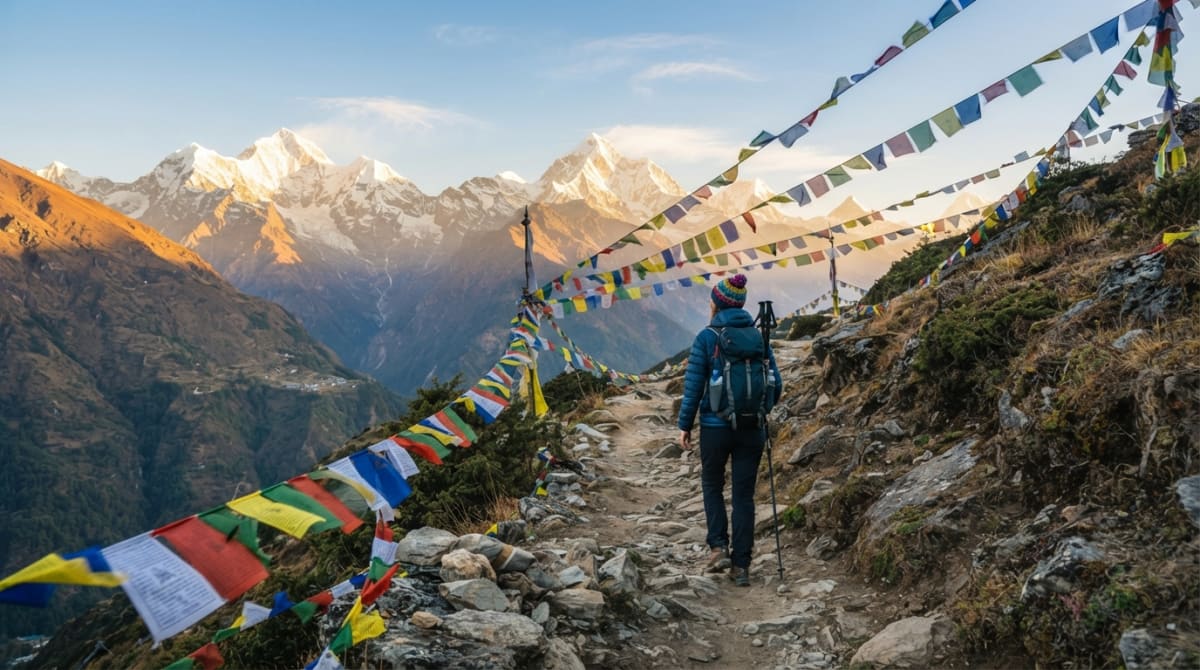
Why End at Jhinu Danda?
The standard descent to Siding is long and steep, and the jeep ride back to Pokhara on a rough road is not the most relaxing way to end a trek. Finishing at Jhinu Danda offers a gentler, more rewarding conclusion. You walk through the attractive Gurung village of Landruk, descend into the lush Modi Khola valley and cross the river on a suspension bridge, before spending an afternoon soaking in natural hot springs. The next morning, a short walk takes you to the road. It adds a day or two to your trip but turns the end of the trek into a highlight rather than a slog.
The Hot Springs Experience
The hot springs at Jhinu Danda are a series of small pools built beside the Modi Khola, fed by naturally warm water. From the village, a steep path descends through forest for around twenty to thirty minutes to reach them. The setting is lovely: the river roars past just below the pools, and forested slopes rise on both sides. Soaking in the warm water, your legs relax after days of climbing and descending. Most trekkers stay for an hour or so before climbing back up to the village, which is steep but short. The pools can be busy in peak season, especially in the afternoon, when trekkers returning from Annapurna Base Camp arrive. Going earlier in the day or later in the evening can mean a quieter soak.
Landruk
Landruk is a Gurung village on the eastern side of the Modi Khola valley, with stone houses, terraced fields and views across the valley to Ghandruk and up toward Annapurna South and Hiunchuli. It has several lodges and makes a pleasant overnight stop on the way to Jhinu Danda. From Landruk, trails lead north toward the Annapurna Base Camp route and south toward Pothana and Dhampus. See villages around the Mardi Himal trail.
Jhinu Danda Village
Jhinu Danda is a small settlement of lodges perched above the Modi Khola, on the main trail between Chhomrong and the valley floor. It is a popular stop for trekkers heading to or returning from Annapurna Base Camp, so it has a lively atmosphere in the trekking seasons, with lodges offering comfortable rooms, hot showers and varied menus. Evenings here are sociable, with trekkers from different routes sharing stories. It is also warmer than the Mardi Himal ridge, a welcome change after cold nights at High Camp.
Walking Distance and Difficulty
The extension involves descending from the lower Mardi Himal route to Landruk, then walking down to the river and along the valley to Jhinu Danda. The walking is generally easier than the Mardi Himal ridge, but there are some steep sections, especially the descent to the river and the stone steps around Jhinu. The final walk from Jhinu Danda to the road head is short. Overall, the extension adds one or two days of moderate walking. Trekking poles help on the descents.
Getting Back to Pokhara
From Jhinu Danda, a short walk leads down the valley to a road head, from where jeeps and buses run toward Nayapul and Pokhara. The drive usually takes a few hours, depending on the road and vehicle. A private jeep arranged in advance is the most comfortable option. See our transportation guide.
What to Bring
Pack swimwear or quick-dry shorts and a top, a small towel, sandals for the path down to the pools, and a change of warm clothes for the climb back to the village. Keep valuables in your lodge or with your guide. Bring a water bottle, as the soak and the steep climb can leave you thirsty.
Etiquette at the Springs
The hot springs are used by local people as well as trekkers, so respect local customs. Wear modest swimwear, keep noise down, do not use soap or shampoo in the pools, and take any rubbish back with you. Pay the small entry fee, which helps maintain the pools. Shower or rinse before entering if facilities are available.
Best Season
The hot springs are enjoyable year-round, but they are especially welcome in autumn and winter, when nights on the Mardi Himal ridge are cold. In spring, the walk through Landruk is colourful with rhododendrons and flowers. During the monsoon, the Modi Khola can rise significantly, and pools may occasionally be affected or closed after heavy rain, so check with your guide. See the best time for the trek.
Lodges on the Extension
The lodges on the Jhinu Danda extension are generally more comfortable than those on the upper Mardi Himal ridge. Landruk has several lodges with views across the valley, and Jhinu Danda, as a busy stop on the Annapurna Base Camp route, has lodges with hot showers, charging, Wi-Fi and wide menus. After nights at High Camp and Low Camp, a warmer room at lower altitude feels like luxury. In peak season, Jhinu Danda can be busy with ABC trekkers, so your guide may book ahead. See our tea house guide.
A Day at Jhinu Danda
Picture arriving at Jhinu Danda in the early afternoon after walking down from Landruk. You check into your lodge, change into swimwear and walk down the forest path to the river. At the pools, you sink into the warm water as the Modi Khola roars past a few meters away, steam rising around you. After an hour of soaking, your legs feel lighter than they have in days. You climb back up to the village, eat a hearty dinner and swap stories with trekkers returning from Annapurna Base Camp. The next morning, after a relaxed breakfast, you walk down to the road and drive back to Pokhara, rested and happy. It is a fitting end to a Himalayan adventure.
Siding or Jhinu: Comparing the Exits
The two exits offer quite different experiences. The Siding exit is shorter and more direct: a steep descent of around 1,200 to 1,400 meters from the ridge through forest and farmland to a traditional Gurung village, followed by a two to three-hour jeep ride on a rough road. It saves time and is the standard choice for most itineraries. The Jhinu exit takes longer, adding one or two days, but the walking is more varied, passing through Landruk and along the Modi Khola, and the reward is an afternoon in the hot springs and an easier road journey back. If you have time and want a relaxing finish, Jhinu is hard to beat; if time is tight, Siding is the practical choice. See our Siding village guide.
Photography on the Way to Jhinu
The walk from the Mardi Himal ridge to Jhinu Danda offers varied photography. From Landruk, the view across the Modi Khola to Ghandruk and up toward Annapurna South is beautiful in morning light. The suspension bridges over the river make striking subjects, as do the terraced fields and stone houses of the villages. The hot springs themselves, with steam rising beside the rushing river, are atmospheric in the soft light of late afternoon, though always be respectful when photographing near bathers.
The Modi Khola Valley
Walking along the Modi Khola between Landruk and Jhinu Danda gives you a very different perspective from the Mardi Himal ridge. Instead of looking down on the valley from above, you are inside it, with steep, forested slopes rising on both sides and the river rushing below. Waterfalls pour down side streams, suspension bridges span gorges, and terraced fields cling to the hillsides around villages. On clear days, glimpses of Annapurna South and Hiunchuli appear up the valley. The Modi Khola is the river that drains the Annapurna Sanctuary, and the trail along it is the gateway to Annapurna Base Camp, so you will meet trekkers from all over the world. See the Modi Khola and Mardi Khola valleys.
Budgeting for the Extension
The Jhinu extension adds one or two days of guide and porter wages, accommodation and meals, plus the small hot springs entry fee and transport from the road head to Pokhara. Lodge prices at Landruk and Jhinu Danda are generally lower than at Mardi Himal's High Camp, because they are at lower altitude and closer to roads. Overall, it is an affordable way to add a relaxing finale to your trek.
Many trekkers say it is the best money they spent on the whole trip.
Safety Near the River
The Modi Khola is a powerful, fast-flowing river, especially after rain and during the monsoon. Never swim in the river itself, stay within the pools, and keep children close near the water. The path down to the springs is steep and can be slippery when wet, so take care, particularly on the way back up in the dark. Follow any local advice about pool closures after heavy rain.
Who This Extension Suits
Finishing at Jhinu Danda suits trekkers who want a relaxing end to their trek, those with sore knees who would welcome an alternative to the steep descent to Siding, and anyone who enjoys village culture and would like to see Landruk and the Modi Khola valley. It also suits travellers who want a taste of the Annapurna Base Camp trail without committing to the full trek. It adds a day or two, so it is best for those with a little extra time.
Tips for the Extension
- Visit the springs at quieter times. Late afternoon can be busy with ABC trekkers.
- Pack swimwear in your daypack. So you can head straight to the pools on arrival.
- Take your time on the steps. The path to and from the springs is steep.
- Hydrate after soaking. Warm water and the climb back can dehydrate you.
- Book transport from the road head. Arrange a jeep in advance for a smooth return.
Combining with Annapurna Base Camp
Jhinu Danda sits on the main Annapurna Base Camp route, so if you have more time, you can continue from Jhinu to Chhomrong and up the valley to the Annapurna Sanctuary before returning via the hot springs. See Mardi Himal and ABC.
Book a Trek Ending at Jhinu
We can arrange a Mardi Himal trek that finishes at Jhinu Danda, based on the 9-day Mardi Himal Trek or our 5-day trek from Pokhara with extra days. Contact us to plan.