

High Camp is where the Mardi Himal Trek reaches its most dramatic stage. Perched on a shoulder of the ridge at 3,580 meters, with Machapuchare and Mardi Himal towering above and the Annapurna South massif filling the western sky, it is the highest place on the trek with lodges and the base for the pre-dawn hike to Mardi Himal Base Camp. It is cold, basic and often crowded, and it is also, for many trekkers, the most memorable night of the trip.
This guide covers everything you need to know about High Camp: lodges and facilities, cold and comfort, food and water, altitude, the evening routine and how to prepare for the summit hike. For the walk here, see Low Camp to High Camp.
Where High Camp Is
High Camp sits on the Mardi Himal ridge at 3,580 meters, around three to four hours above Low Camp and two to three hours above Badal Danda. Above it, the ridge climbs steeply to the Upper View Point at around 4,200 meters and on to Mardi Himal Base Camp at around 4,500 meters. There are no lodges beyond High Camp, so it is the last place to sleep before the summit hike. See the Mardi Himal route guide.
The View
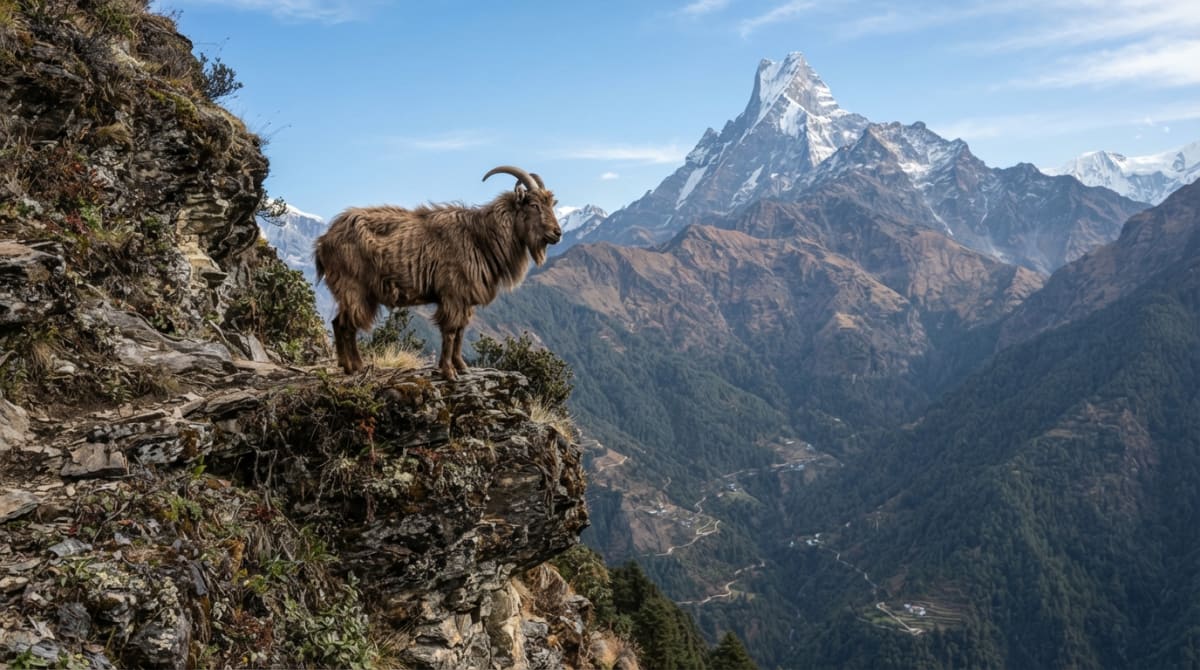
From High Camp, the mountains feel close. Machapuchare rises directly to the north, its sharp summit ridge now clearly visible. Mardi Himal, the peak that gives the trek its name, stands in front of it. To the west, Annapurna South and Hiunchuli form a huge wall of snow and ice. Below, the ridge you climbed stretches south toward Pokhara, often above a sea of cloud. Sunset and sunrise here are spectacular, with the peaks glowing pink, orange and gold. See the mountains you see from the trek.
Lodges and Facilities
High Camp has several lodges, clustered on the ridge. They are the most basic on the trek, because everything must be carried up by porters. Rooms are simple twin rooms with foam mattresses and blankets, and walls are thin. Toilets are shared, often in a separate block, and may use a bucket of water to flush when pipes freeze. Hot showers are rarely practical in the cold; many trekkers make do with wet wipes and a bowl of warm water. Charging depends on solar power and can be limited or unavailable, so bring a power bank. Mobile signal is patchy and Wi-Fi, where offered, is slow. See our tea house guide.
Cold at High Camp
High Camp is cold for most of the year. From October to April, night temperatures are usually around or below freezing, and in mid-winter they can fall well below minus 10 degrees Celsius. Rooms are unheated, and wind on the exposed ridge makes it feel colder. The dining room, warmed by a stove in the evening, is the only warm place. A sleeping bag rated to around minus 10 degrees Celsius or colder, a warm down jacket, thermal layers, a hat and warm socks are essential. See staying warm at night in tea houses and temperature by month and camp.
Food and Water
Menus at High Camp are similar to lower stops but slightly shorter, and prices are the highest on the trek, reflecting the effort of carrying supplies up the ridge. Dal bhat, noodles, fried rice, soups, porridge and hot drinks are standard. Garlic soup is popular for warmth. Water is limited, especially in the dry season and when pipes freeze, so lodges may melt snow or carry water; buy boiled or filtered water, or treat what you have. Fill your bottles with hot water in the evening for the summit hike. See the menu guide.
Altitude at High Camp
At 3,580 meters, High Camp is high enough that most trekkers notice the thinner air. Mild symptoms of acute mountain sickness, such as a headache, loss of appetite and restless sleep, are common, especially on faster itineraries. These usually ease with rest, fluids and time. Walk slowly around the camp, drink three to four liters of fluid during the day, avoid alcohol, and tell your guide about any symptoms. If symptoms worsen, descending to Badal Danda or Low Camp brings quick relief. See our altitude sickness guide.
The Afternoon at High Camp
Most trekkers arrive at High Camp around midday. After lunch, rest for a while, then take a short, slow walk a little higher up the ridge to help your body acclimatize, returning to sleep at High Camp. This "climb high, sleep low" approach is useful before the summit hike. Spend the rest of the afternoon resting, reading and watching the clouds move across the peaks. Scout the start of the next morning's trail in daylight so it feels familiar in the dark.
The Evening at High Camp
As the sun drops behind the western peaks, everyone at High Camp heads outside to watch the last light on Machapuchare and Mardi Himal. Then the temperature plunges, and the dining rooms fill. The stove is lit, dinner orders are taken, and the room hums with conversation in many languages, much of it about the next morning's start time and whether the sky will be clear. Guides discuss plans with their groups and confirm wake-up calls. Dinner is usually early, around 6 p.m., so people can get to bed by 8 or 8:30. The night is cold and short, but the anticipation of sunrise at Base Camp makes it one of the most exciting evenings of the trek. See evenings in a Mardi Himal tea house.
Preparing for the Summit Hike
Preparation the night before makes the pre-dawn start much easier. Before bed, lay out the clothes you will wear: thermal base layers, fleece, down jacket, windproof shell, warm hat, buff and insulated gloves. Check your headlamp and pack spare batteries. Fill your water bottles with hot water from the kitchen and wrap them in a sock. Pack snacks such as chocolate, nuts or energy bars. Charge your camera batteries if possible and keep them warm in your sleeping bag. Confirm the start time with your guide, usually between 4 and 5 a.m. See the night before summit day.
Sleeping at High Camp
Many trekkers sleep lightly at High Camp because of the altitude, the cold and the early start. Irregular breathing at night, sometimes waking with a feeling of breathlessness, is common at altitude and usually harmless. To sleep as well as possible, keep warm, drink enough water in the evening without overdoing it before bed, use earplugs against thin walls and early risers, and try not to worry if you wake often. Even restless sleep is rest. If you feel genuinely unwell, with a severe headache or breathlessness at rest, wake your guide. See sleeping well at altitude.
High Camp Through the Seasons
In autumn, High Camp is at its busiest, with clear skies and cold, starry nights; lodges fill in October. In winter, it is bitterly cold, water pipes freeze, snow often covers the ground, and some lodges may close temporarily during severe weather; the upper trail can be icy. In spring, nights are milder, afternoons often bring cloud, and the slopes below are colourful with shrub rhododendrons. In the monsoon, High Camp is often in cloud, with rain and few trekkers, though clear mornings can be magical. See the best time for the trek.
Busy Seasons and Booking
High Camp is the most likely place on the trek to run out of rooms. In peak season, especially October, November and April, lodges can be full by early afternoon, and late arrivals may sleep in the dining room. Guides usually reserve rooms well in advance. If you are trekking with a guide who has not booked, aim to arrive by late morning. See booking tea houses in peak season.
Photography at High Camp
High Camp offers superb photography at sunset, sunrise and night. At sunset, capture the peaks glowing above the lodges, with the ridge and clouds below. At night, on clear, moonless evenings, the Milky Way can appear above Machapuchare; use a tripod and long exposures. At sunrise, if you are not hiking, photograph the first light on the peaks from the ridge above the lodges. Keep batteries warm, as the cold drains them quickly. See stargazing and Milky Way photography.
High Camp on Different Itineraries
Every Mardi Himal itinerary includes at least one night at High Camp. On the 5-day trek from Pokhara, you arrive on day three after a short walk from Low Camp, giving a relaxed afternoon to acclimatize. On the 9-day and 7-day treks, you arrive after a longer day from Forest Camp, so rest is especially important. On the 3-day short trek, you arrive on day two after a very long first day, and the altitude gain is fastest, so watch closely for symptoms. On itineraries with a buffer day, you may spend two nights here, giving a second chance at the summit sunrise. See the 5-day itinerary and the 6-day itinerary with a buffer day.
Life at High Camp
The lodges at High Camp are run by families who spend long seasons on the exposed ridge, dealing with cold, wind, limited water and supplies that must be carried up for days. In the busiest weeks, they cook for dozens of trekkers, guides and porters every evening. In winter and the monsoon, some return to villages below. Staying at High Camp gives you a glimpse of how demanding life in the high mountains can be. Eat dinner and breakfast where you sleep, be patient with slower service when lodges are busy, and thank your hosts. See how food and supplies reach the tea houses.
High Camp for Families and Older Trekkers
High Camp is the most demanding place to spend a night for children and older trekkers, because of the altitude and cold. Watch children closely for signs of altitude sickness, such as irritability, loss of appetite, unusual tiredness or vomiting, and be ready to descend. Keep everyone warm with extra layers and good sleeping bags. Some families choose to stay at Badal Danda or Low Camp instead and walk up to High Camp or the Upper View Point in the morning, avoiding a night at 3,580 meters. See Mardi Himal with kids.
Why High Camp Is Worth It
Despite the cold, basic facilities and restless sleep, most trekkers say their night at High Camp was one of the highlights of the trek. The combination of the dramatic setting, the shared anticipation in the dining room, the brilliant stars and the thrill of setting out in the dark for Base Camp creates a unique atmosphere. It is the place where the trek feels most like a real mountain adventure.
Leaving High Camp
You leave High Camp twice: once in the dark for the summit hike, and again after returning for breakfast, when you descend along the ridge to Badal Danda or Low Camp. On the second departure, take care on the steep section just below the camp, which can be frozen in the early morning or muddy later in the day. Use trekking poles and do not rush. See the High Camp to Base Camp guide and coming down from Base Camp.
If You Do Not Feel Well
If you arrive at High Camp feeling unwell, take it seriously. Rest, drink fluids and eat something light. Tell your guide, who will monitor you. A mild headache that improves with rest is common and usually not a reason to change plans. Worsening headache, nausea, dizziness, confusion or breathlessness at rest are warning signs of altitude sickness, and the right response is to descend, even at night if necessary, with help. Missing the summit hike is disappointing, but your health comes first. See recognising AMS, HAPE and HACE.
Tips for High Camp
- Arrive early in peak season to secure a room.
- Take a short acclimatization walk in the afternoon.
- Drink plenty of fluids and avoid alcohol.
- Bring a power bank; charging is limited.
- Prepare everything for the summit hike before bed.
- Keep batteries and water bottles inside your sleeping bag overnight.
- Carry toilet paper and a headlamp for night-time trips.
Book a Trek with a Night at High Camp
Every Mardi Himal itinerary includes a night at High Camp before the Base Camp hike. See the 5-day Mardi Himal Trek from Pokhara or the 9-day trek from Kathmandu, and contact us to book.