

Of all the moments on the Mardi Himal Trek, sunrise is the one people talk about afterward. You leave High Camp in darkness, climb by headlamp in freezing air, and then, slowly, the sky behind you turns grey, then pale blue, then pink. The highest summits catch the first light, glowing orange above valleys still deep in shadow, and for twenty minutes the whole range seems to burn. It is a sight that justifies every step of the climb.
This guide explains where to watch sunrise on the trek, how to time your start in each season, what you will see, what to wear and how to photograph it.
Three Places to Watch Sunrise
High Camp (3,580 m)
The easiest option. From the lodges or a short walk up the ridge, you can watch the first light hit Machapuchare, Mardi Himal and the peaks to the west. It is a lovely sunrise, especially if you are feeling the altitude or plan to rest. See our High Camp guide.
The Upper View Point (about 4,200 m)
The classic sunrise spot. About two to two and a half hours above High Camp, it offers a wide panorama of Annapurna South, Hiunchuli, Mardi Himal and Machapuchare. Most groups time their climb to arrive here just before or at sunrise. See Upper View Point vs Base Camp.
On the Way to Base Camp
Some groups continue straight to Base Camp and watch the light change as they walk, arriving in the first full sun of the morning. This works well for strong walkers in autumn and spring. See our Base Camp guide.
Sunrise Timing by Season
| Season | Approximate sunrise | Typical High Camp departure |
|---|---|---|
| Autumn (Oct–Nov) | Around 6:00–6:30 a.m. | 4:00–4:30 a.m. |
| Winter (Dec–Feb) | Around 6:30–7:00 a.m. | 4:30–5:00 a.m. |
| Spring (Mar–May) | Around 5:15–6:00 a.m. | 3:30–4:30 a.m. |
| Monsoon (Jun–Aug) | Around 5:15 a.m. | 3:30–4:00 a.m. |
Times are approximate; the mountains light up a little before the sun reaches you. Your guide will set the start time each evening. See sunrise and sunset times by season.
What You Will See
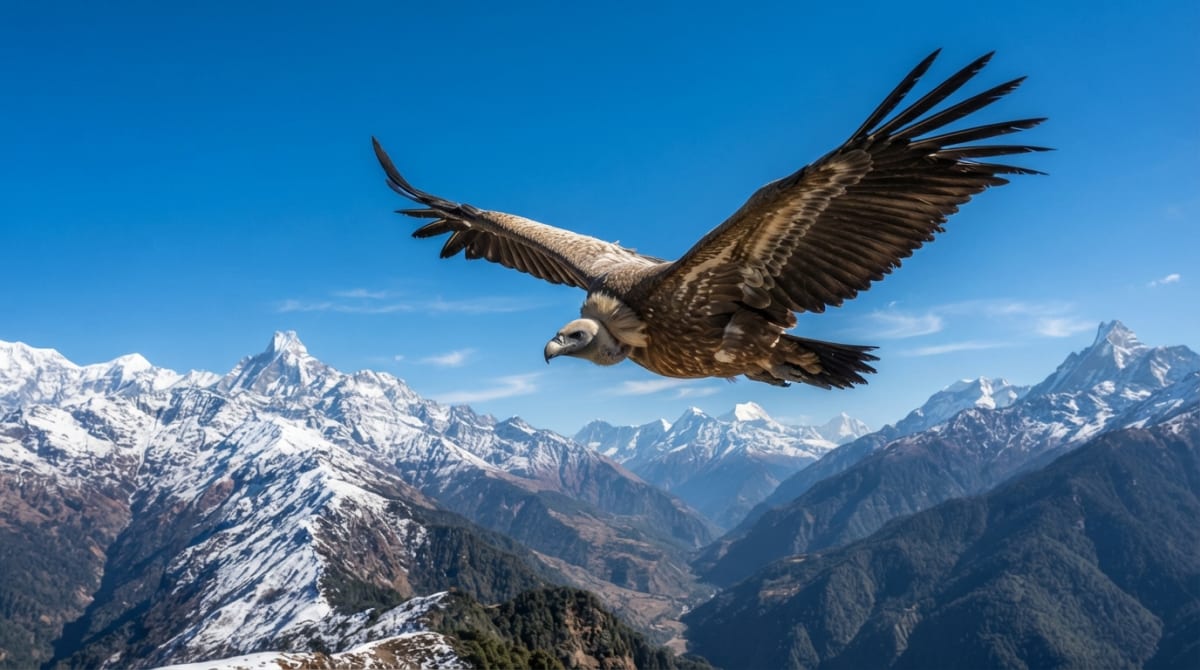
Sunrise unfolds in stages. First, the sky above the eastern horizon lightens, and the peaks appear as dark silhouettes. Then the highest summits catch the first direct light, glowing pink. Over the next few minutes, the colour deepens to orange and gold and spreads down the faces of Annapurna South, Hiunchuli and Mardi Himal. Machapuchare, often the last to glow fully from this angle, blazes against the brightening sky. Below, clouds often fill the valleys, making the peaks look as if they are floating. See the mountains you see from the trek.
What to Wear
Sunrise is the coldest part of the trek. You will be standing still in wind at over 4,000 meters, often well below freezing. Wear thermal base layers, a fleece, a down jacket, a windproof shell, a warm hat, a buff and insulated gloves. Hand warmers help. See what to wear on summit day.
Photographing Sunrise
Arrive early and set up before the colour starts. Use a tripod or brace your camera for sharp shots in low light. Bracket exposures or use HDR mode to capture bright peaks and dark foregrounds. Include trekkers or prayer flags for scale. Keep batteries warm. See our photography guide.
Why Sunrise on Mardi Himal Is Special
Many treks have good sunrise viewpoints, but Mardi Himal's are unusual for how close you are to the mountains. From the Upper View Point, Machapuchare's summit is only a few kilometers away as the crow flies, and its sheer south face rises thousands of meters above you. Because the ridge runs directly toward the peaks, you face them head-on, with nothing in between. And because clouds often fill the valleys below the ridge at dawn, the mountains frequently appear to float above a white sea. The combination of proximity, height and atmosphere makes sunrise here one of the finest in the Annapurna region.
The Night Before
A good sunrise starts the evening before. After dinner at High Camp, lay out your warmest layers so you can dress quickly in the dark. Fill your water bottles with hot water from the kitchen; wrapped in a sock, they stay warm for hours and will not freeze. Pack snacks, your headlamp with fresh batteries, your camera and spare batteries in your daypack. Confirm the start time with your guide and set an alarm. Go to bed early; even if you sleep poorly at altitude, resting helps. See the night before summit day.
The Pre-Dawn Climb
The climb from High Camp to the Upper View Point is steep, and in the dark it can feel relentless. Walk slowly and steadily behind your guide, focusing on the circle of light from your headlamp. Breathe deeply and rhythmically. Stop briefly when you need to, but avoid long stops, which chill you quickly. Look back occasionally: the lights of other trekkers snaking up the ridge and the stars overhead are part of the experience. As the sky begins to lighten, the pace often picks up with excitement; keep it measured, as the thin air still demands care. See hiking to Base Camp in the dark.
Sunrise Through the Seasons
Autumn: the most reliable season for a clear sunrise. The air is clean after the monsoon, and many mornings are cloudless. Cold but usually calm.
Winter: often the clearest of all, with snow-covered peaks glowing intensely. Extremely cold and sometimes windy; the path can be icy, so microspikes may be essential.
Spring: early mornings are often clear, though haze can soften the view. Milder temperatures make the wait more comfortable. Clouds may build soon after sunrise.
Monsoon: a clear sunrise is less likely, but when clouds part at dawn after overnight rain, the views can be extraordinary.
If It Is Cloudy
Not every sunrise is clear. If you reach the viewpoint in cloud, wait a little: mist often clears shortly after dawn as the sun warms the air, revealing the peaks for a few magical minutes. If it stays cloudy, the view from High Camp later in the morning or at sunset may still be good. If your itinerary includes a buffer day, you can try again the next morning. Many trekkers find that even a partly cloudy sunrise, with peaks appearing and disappearing through the mist, is unforgettable. See bad weather on summit day.
Other Sunrise Spots on the Trek
High Camp is not the only place for a memorable sunrise. On the first morning, Australian Camp and Pitam Deurali can offer views of the Annapurna range glowing at dawn. Low Camp, facing Machapuchare directly, has a beautiful sunrise from the lodge terrace, and it is also the best place for sunset. If you stay at Badal Danda, the sunrise over the cloud-filled valleys can be superb. See sunset at Low Camp and Badal Danda.
Safety on the Sunrise Hike
The combination of darkness, cold, steep ground and altitude makes the sunrise hike the most demanding part of the trek. Stay close to your guide, use trekking poles, and wear microspikes if the path is icy. Watch for signs of altitude sickness and cold injury in yourself and others. Do not step off the path for a better photo angle near steep drops. On the way down, take care as frozen ground thaws into mud. See our safety guide.
High Camp, Viewpoint or Base Camp: Which Should You Choose?
Choosing where to watch sunrise depends on your energy, the season and your priorities. If you are feeling the altitude, slept badly or are travelling with children, watching from High Camp is a sensible choice that still delivers a beautiful dawn, and you can decide later whether to walk higher once the sun is up. If you are feeling reasonably well, the Upper View Point is the best all-round choice, with a wide panorama and the classic sunrise experience. If you are a strong walker and want the closest possible views, timing your arrival at Base Camp for just after sunrise gives you crisp morning light on the peaks with fewer people around. Your guide will help you decide based on how you feel the night before and the weather forecast.
Keeping Warm While You Wait
The coldest moment of the whole trek is often the half hour you spend standing still at the viewpoint waiting for the sun. As soon as you stop climbing, put on your down jacket over your other layers, even if you feel warm from the ascent; sweat cools you quickly in the wind. Pull your hood up, cover your face with a buff and switch to insulated gloves or mittens. Stand on a sit mat or a spare fleece rather than directly on frozen ground. Sip warm water from your insulated bottle and eat a snack to give your body fuel for heat. Move your toes and fingers regularly. Hand warmers tucked into gloves or pockets make a surprising difference. When the sun finally reaches you, the warmth is immediate and welcome.
After Sunrise: Continuing to Base Camp
Once the sun is up and the colours fade to bright daylight, most groups continue from the Upper View Point toward Base Camp. This section is gentler than the climb to the viewpoint, traversing open slopes with the peaks ahead of you, now lit in clear morning light. It usually takes around an hour to an hour and a half. The morning light is often ideal for photography at Base Camp, with sharp detail on the ice and rock of Mardi Himal and Machapuchare. Aim to start your descent by late morning, before clouds build and the frozen ground turns to mud. See the High Camp to Base Camp guide.
Sunset as a Second Chance
If your sunrise is clouded out, do not despair. Evenings on the ridge often clear as clouds sink back into the valleys, and sunset at High Camp or Low Camp can be just as colourful, with Machapuchare glowing orange and pink above a sea of cloud. Plan to be outside with your camera around sunset every evening on the trek; some of the best light of the whole trip comes at the end of the day rather than the beginning.
What Trekkers Remember Most
Ask trekkers what they remember from Mardi Himal and sunrise almost always comes first. People describe the silence broken only by the wind and the click of cameras; the moment the first ray of light touches the summit of Annapurna South; the way Machapuchare seems to catch fire; the sea of cloud below, pierced by distant ridges; and the sudden warmth on their faces when the sun finally clears the horizon. Many say that after days of climbing, the combination of effort, cold and beauty made the moment feel earned. It is the kind of experience that stays with you long after the aches of the descent have faded.
Sunrise for Beginners and Families
If you are new to trekking or travelling with children, the sunrise hike can feel daunting. There is no need to push to the Upper View Point if it is too much; the view from High Camp is spectacular in its own right. Children in particular may struggle with the early start and cold, so plan to watch from High Camp or a short distance above it, then walk higher later in the morning if everyone feels strong. See Mardi Himal with kids.
Sunrise Etiquette
In peak season, the Upper View Point can be busy at dawn. Keep your voice down so everyone can enjoy the moment, avoid standing in front of others' cameras, keep headlamps pointed down once people are set up, and do not fly drones without permission. Carry all rubbish back down.
See Sunrise with Us
All our itineraries include a night at High Camp and a pre-dawn hike for sunrise. Our guides know the best spots and timing for each season. See the 5-day Mardi Himal Trek from Pokhara or the 9-day trek, and ask us about planning around the clearest mornings.