

Two people can walk exactly the same trail on the Mardi Himal Trek and come home with very different stories. One remembers exhausting climbs, a cold night at High Camp and a cloudy summit. The other remembers a forest full of birdsong, a sunset above a sea of clouds, a long conversation with their guide by the stove, and a sunrise that brought tears to their eyes. Luck with the weather plays a part, but much of the difference comes down to choices: when you go, how long you take, how you pace yourself, and how open you are to the experience. This guide gathers the advice our guides give to help trekkers get the most out of Mardi Himal. For the basics, see the complete guide.
Choose the Right Season for What You Want
The trek offers different rewards in different seasons, so start by deciding what matters most to you. If clear mountain views are the priority, go in autumn, from late September to November, when the skies are most reliable. If flowers, birdsong and milder temperatures appeal, choose spring, from March to April, when the rhododendron forest is in bloom, accepting that afternoons may be hazier. If solitude and crisp, clear skies matter more than comfort, consider winter. And if you love lush forests and do not mind rain, the monsoon has its own quiet magic.
Matching the season to your priorities is the single most important step toward a satisfying trek. See the best time for the Mardi Himal Trek and the monthly weather guide.
Give Yourself Enough Time
The Mardi Himal Trek can be done in three days, but that does not mean it should be, at least not for most people. Short itineraries pack long days and rapid altitude gain into a tight schedule, leaving little time to rest, enjoy the views or recover from a bad night. A five-day trek from Pokhara is more comfortable for most trekkers, and adding a sixth or seventh day transforms the experience, giving you time for sunsets, forest walks, village stops and a spare day for weather.
If your schedule allows, one extra day is the best investment you can make. See how many days you need, the itinerary with a rest day and the slow trek itinerary.
Build in a Spare Day for Weather
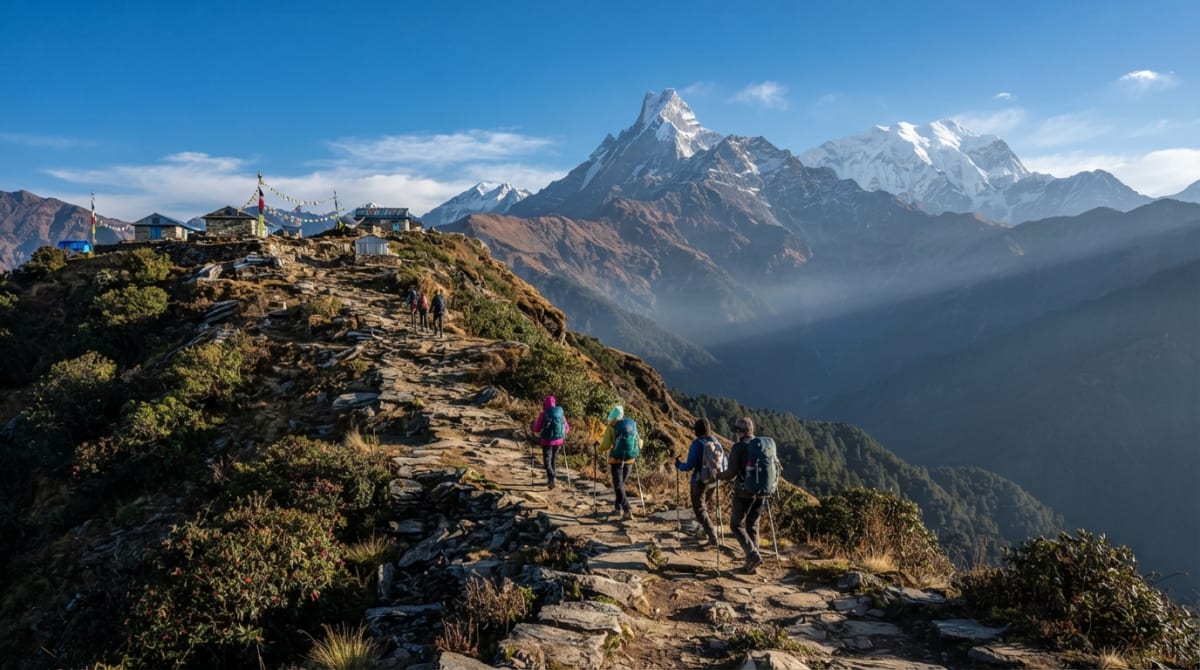
Clouds are the biggest threat to a great Mardi Himal experience, because the trek's highlight is the view from the ridge and Base Camp. Even in good seasons, you can wake at High Camp to thick cloud. A spare day in your itinerary, ideally at High Camp, gives you a second chance at a clear summit morning. It also helps acclimatization and removes the pressure to push on in poor conditions. Many trekkers who add a spare day end up using it, and are very glad they did. See bad weather on summit day.
Prepare Your Body
The fitter you are, the more you will enjoy the trek. Being able to walk uphill for hours without exhaustion means you can look around, take photos, chat and appreciate the scenery rather than just staring at your feet and counting steps. A few weeks of preparation, with regular walks, stair climbing, hill hiking with a loaded pack and some leg-strength exercises, makes a big difference. See the fitness guide and the 8-week training plan.
Pack for Comfort
Being cold, wet or uncomfortable makes it hard to enjoy anything. A warm sleeping bag, good layers, a down jacket, broken-in boots and quality socks are the foundation of a comfortable trek. At the same time, keep your load light, so you are not weighed down on the climbs. Hiring a porter to carry your main bag lets you walk with a small daypack and enjoy the trail far more. See the packing list and carry your own pack or hire a porter?
Walk Early Every Day
On the Mardi Himal ridge, the clearest views usually come in the early morning, with clouds often building from late morning onward. Starting your walk early each day, rather than lingering over breakfast, gives you the best chance of seeing the mountains while you walk. It also means arriving at the lodge in good time to rest, wash, and enjoy the afternoon and sunset. See a typical day on the trek.
Slow Down
It sounds counterintuitive, but walking more slowly helps you enjoy the trek more. A slow, steady pace reduces breathlessness and fatigue, lowers the risk of altitude symptoms, and leaves you with energy to spare. It also gives you time to notice things: a flash of color in the rhododendrons, the call of a laughing thrush, the way the light changes on the peaks. There is no prize for arriving first. See pacing on the trek.
Savor the Forest
Many trekkers see the forest days as something to get through on the way to the ridge. That is a missed opportunity. The rhododendron and oak forest between Pitam Deurali and Low Camp is one of the finest in the Annapurna foothills, and it has its own beauty: moss-draped trunks, ferns and orchids, mist drifting between the trees, and, in spring, blossom everywhere. Walk slowly, stop often, and take an early morning stroll at Forest Camp or Rest Camp to hear the birds. See the rhododendron forest and birdwatching on Mardi Himal.
Catch Every Sunset and Sunrise
Some of the most magical moments on the trek happen at the edges of the day. Sunset from Low Camp, Badal Danda and High Camp can be spectacular, with the peaks glowing gold and pink above a sea of clouds. Sunrise from the Upper View Point is the trek's famous highlight, but sunrise from Low Camp, Australian Camp or Dhampus can be just as memorable. Set an alarm, put on your down jacket, and step outside every chance you get. See sunset at Low Camp and Badal Danda and the sunrise guide.
Look Up at Night
On clear nights, the sky above the ridge is full of stars, far brighter than most people ever see at home. Step outside for a few minutes before bed, let your eyes adjust, and look for the Milky Way. If you can time your trek around the new moon, the stars are at their best; around the full moon, the peaks glow silver instead. See stargazing on Mardi Himal.
Go Beyond the Viewpoint
On summit morning, many trekkers turn back at the Upper View Point. If you feel well and the weather is good, continue to Base Camp. The walk is quieter, the mountains closer and more dramatic, and standing at the highest point of the trek beneath Mardi Himal's slopes is deeply satisfying. See Upper View Point vs Base Camp.
Get to Know Your Guide and Porter
Your guide and porter are not just service providers; they are local people with deep knowledge of the mountains, the culture and the history of the area. Ask about their families, their villages, the festivals they celebrate, and the stories behind the peaks. Share something of your own life. Many trekkers find these conversations are among the most rewarding parts of the trip. See a day in the life of a guide and life of a porter.
Add Some Culture
The upper trek passes through lodge settlements rather than villages, but you can add cultural depth by starting in Dhampus, spending a night in a homestay in Lwang or Ghalel at the end, or linking to the Gurung village of Landruk. Learn a few Nepali phrases, try local dishes, and ask before taking photos of people. See starting from Dhampus, Mardi Himal via Lwang and useful Nepali phrases.
Take Photos, Then Put the Camera Down
The Mardi Himal Trek is wonderfully photogenic, and you will want pictures. But constantly looking through a screen can stop you truly experiencing the moment. Take your photos, then put the camera away and simply look. Some of the most vivid memories come from moments you did not photograph at all. See the photography guide.
Disconnect
Mobile signal on the trek is patchy, and Wi-Fi is often slow. Rather than fighting it, embrace it. Use the trek as a break from notifications, news and work. Read a book, write a journal, talk to people, and let your mind settle into the rhythm of walking, eating and sleeping. Many trekkers say the mental reset is as valuable as the views. See Mardi Himal as a digital detox and yoga and mindfulness on the trek.
Look After Yourself
It is hard to enjoy a trek if you feel unwell. Drink plenty of water, eat regular meals, wash your hands, protect yourself from the sun, and deal with small problems like hot spots on your feet before they become blisters. Most importantly, tell your guide about any altitude symptoms early. See hydration on Mardi Himal and our altitude sickness guide.
Make the Evenings Count
Evenings in the tea houses are a big part of the trek, and they are easy to waste scrolling a phone with a weak signal. Instead, sit by the stove and talk to the trekkers around you, who may come from a dozen different countries. Play cards with your guide and porter, who often know games you have never seen. Ask the lodge family about life on the ridge, how supplies reach them and what the trekking seasons mean for their family. Write in a journal about the day. Look through your photos and pick the best ones. Evenings are when the trek becomes a shared experience rather than a solo effort, and many lifelong friendships have started around tea house stoves. See evenings in the tea houses.
Learn About What You Are Seeing
Knowing a little about the landscape transforms how you see it. Before you go, read about the peaks you will see, the geology that raised them, the forests you will walk through, and the Gurung culture of the villages below. On the trail, ask your guide to name the mountains, trees and birds. A basic understanding of why the ridge stands high between two rivers, why the forest changes as you climb, and why Machapuchare has never been climbed makes every view richer. See the mountains you see, the geology behind the views and books to read before the trek.
Travel Responsibly
Part of getting the most out of the trek is knowing that your visit leaves the mountains and the people better off. Carry out your rubbish, use a refillable water bottle instead of buying plastic, stay on the trail to limit erosion, buy snacks and meals from local lodges, and tip your guide and porter fairly. Choose an agency that treats its staff well. These small actions add up, and they make the trek feel more meaningful. See responsible trekking and how your trek supports local communities.
Keep Your Expectations Flexible
Mountains do not follow schedules. Clouds can hide the peaks, snow can block the trail, and your body may need more rest than you planned. Trekkers who stay flexible, who find joy in the forest when the ridge is clouded, or in the Upper View Point when Base Camp is out of reach, tend to have the best experiences. See mistakes to avoid.
Give Yourself Time in Pokhara
The trek begins and ends in Pokhara, and time there is part of the experience. Arrive at least a day early to rest, sort your gear, meet your guide and watch the sunrise over the Annapurnas from the lakeside. After the trek, allow a day or two to recover: take a boat on Phewa Lake, visit the World Peace Pagoda, try paragliding or simply relax in a cafe with a view of the peaks you just walked beneath. Rushing straight from the trail to the airport cuts short the chance to reflect on what you have done. See things to do in Pokhara after the trek.
Make the Most of Your Trek with Us
Our itineraries are designed to give you time to enjoy the trek, not just complete it. See the 9-day Mardi Himal Trek from Kathmandu or the 5-day trek from Pokhara, and contact us to plan a trip that fits you.