

Not every stop on the Mardi Himal Trek is a destination in its own right. Some are simply good places to pause. Rest Camp, a tiny lodge stop in the forest a short walk above Forest Camp, lives up to its name: it is a place to catch your breath, drink a cup of tea and gather energy for the climb to Low Camp. With only one or two lodges, it is also one of the quietest places to spend a night on the trek, useful when other camps are busy or when you want to split the forest section a little differently.
This guide explains what Rest Camp offers and when it makes sense to use it. For the surrounding sections, see Forest Camp and Forest Camp to Low Camp.
Where Rest Camp Is
Rest Camp sits in the upper part of the Mardi Himal forest, a short walk above Forest Camp on the trail to Low Camp, at roughly 2,650 to 2,700 meters. It is surrounded by rhododendron and oak forest, draped in moss, with the trail climbing steadily past it toward Low Camp, around one and a half to two hours further up. See the Mardi Himal route guide.
What Rest Camp Offers
Rest Camp is small, with only one or two lodges. They offer tea, snacks and meals, and simple rooms for trekkers who stay overnight. Facilities are basic: shared toilets, limited or no hot showers, and limited charging. There is little or no mobile signal. What it lacks in facilities, it makes up for in peace. Evenings here are very quiet, with just a handful of trekkers, and the forest setting is lovely.
Why Stop at Rest Camp?
Most trekkers pass Rest Camp without stopping for long, but there are several good reasons to use it. As a break point, it offers a place to drink tea, eat a snack and rest before the final climb to Low Camp, which is steeper and more sustained than the forest below. As an overnight stop, it is valuable when Forest Camp is full in peak season, when you want a quieter night away from larger groups, or when your pace means Forest Camp comes too early in the day and Low Camp too late. Your guide will know when Rest Camp is the smart choice.
Rest Camp as an Overflow Stop
In October, November and April, the handful of lodges at Forest Camp can fill quickly, especially on weekends and Nepali holidays. When that happens, guides often send their groups on to Rest Camp. The walk takes only a short time more, and you trade a busier camp for a calmer one. If Rest Camp is also full, groups may continue to Low Camp, which has more lodges. Booking ahead in peak season avoids uncertainty, and a guide with good relationships with lodge owners is invaluable. See booking tea houses in peak season.
A Quiet Night in the Forest
Staying at Rest Camp feels different from staying at the busier camps. With only a few guests, the dining room is intimate, and conversations with the lodge family are easier. The forest presses close around the lodge, and in the evening, mist often drifts through the trees. At night, the silence is broken only by the wind, the calls of night birds and perhaps the distant bark of a deer. For trekkers who value peace, a night here can be a highlight. Facilities are basic, so bring a warm sleeping bag, a headlamp and your own toilet paper.
The Upper Forest
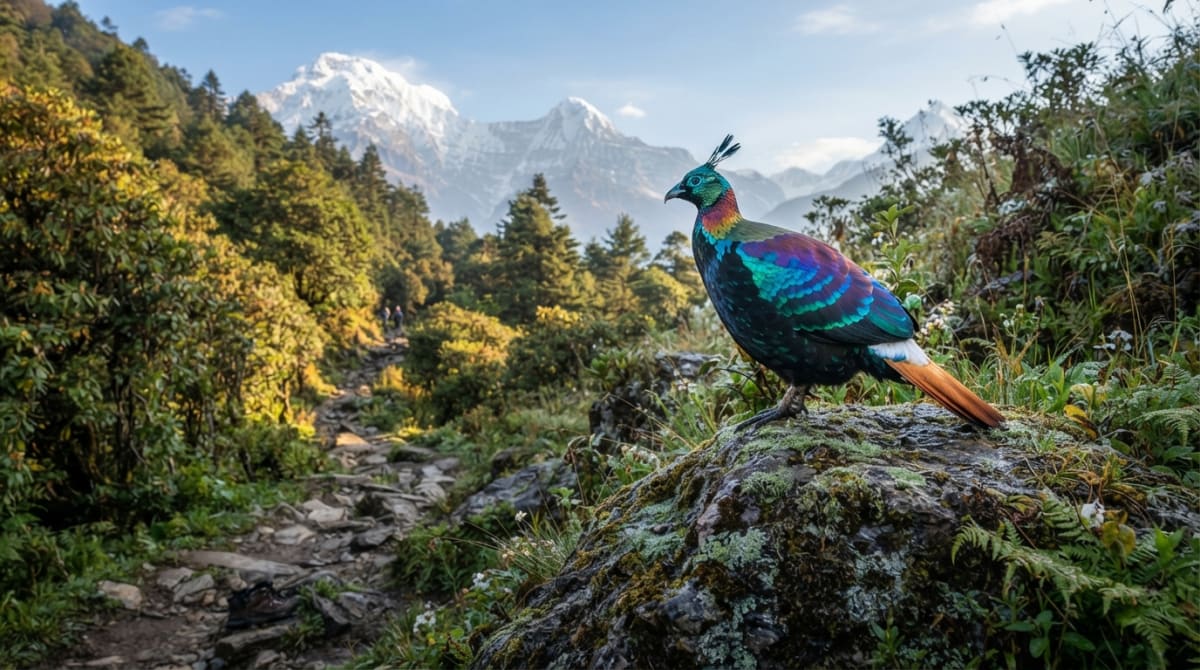
The forest around Rest Camp is part of the upper temperate zone of the trek. Here, the rhododendrons and oaks are often shorter and more gnarled than lower down, shaped by wind and snow, and their branches are thick with moss, lichens and ferns. The air is noticeably cooler, and the forest often sits in cloud from late morning. In spring, rhododendrons bloom here slightly later than in the lower forest, sometimes extending the flowering season into late April. See the rhododendron forest section and ecosystems by altitude.
Rest Camp to Low Camp
From Rest Camp, the trail climbs steadily through the upper forest for around one and a half to two hours to Low Camp at about 2,970 meters. The path includes some steep sections with roots and stones, slippery after rain. As you climb, the trees thin and glimpses of Machapuchare appear through the canopy, building anticipation for the view at Low Camp. Take your time; this is where many trekkers begin to notice the altitude. See our Low Camp guide.
Splitting the Forest Section
The forest between Pitam Deurali and Low Camp is the longest continuous climb on the trek, and there are several ways to split it. The 5-day itinerary walks it all in one day. The 9-day and 7-day itineraries stop at Forest Camp. Rest Camp offers a third option, slightly higher than Forest Camp, which shortens the following day to Low Camp and High Camp. Choosing between them depends on your pace, lodge availability and how you feel. Your guide will help you decide. See where to sleep on the ridge.
Food and Facilities
Rest Camp's lodges offer a smaller menu than the bigger camps, but you can usually count on dal bhat, noodles, fried rice, soup and hot drinks. Prices are similar to Forest Camp. Hot showers may be limited or unavailable, charging depends on solar power, and mobile signal is weak or absent. Carry snacks and a power bank, and do not rely on buying specific items here.
Rest Camp Through the Seasons
In spring, the forest around Rest Camp blooms, and the stop is pleasant for a long tea break. In autumn, it is useful as an overflow when lower camps are busy. In winter, it is cold and quiet, and some lodges may close temporarily during severe weather; check with your guide. In the monsoon, it is very quiet, misty and damp, with leeches on the approach trail. See the best time for the trek.
How to Rest Well on a Long Climb
Rest Camp's name is a good reminder that resting well is a skill on a trek like Mardi Himal. Short, regular breaks are more effective than long, infrequent ones: stopping for five minutes every 45 minutes to an hour keeps your energy steady without letting your muscles cool and stiffen. When you stop, put on a layer if the air is cool, drink water and eat a small snack. Sit rather than stand if you can, and take a few deep breaths. Avoid long stops in cold, shaded spots, especially above 2,500 meters, where you can chill quickly. A good rest routine makes the climb to Low Camp and beyond far more manageable. See pacing yourself on the trek.
Who Might Stay at Rest Camp
Rest Camp suits several kinds of trekkers. Those seeking solitude will appreciate its small size and quiet evenings. Slower walkers who find Forest Camp too early and Low Camp too far can stop here to balance their days. Groups arriving when Forest Camp is full can continue here without adding much walking. Photographers who want to capture the upper forest in evening and morning light may prefer it. And trekkers who want an extra step in acclimatization before Low Camp and High Camp may find the slightly higher altitude helpful.
Walking Times from Rest Camp
From Rest Camp, it takes around one and a half to two hours to reach Low Camp, and a further one hour to Badal Danda and two to three hours to High Camp. Going down, Forest Camp is a short walk below, and Pitam Deurali is around four hours away. These times vary with fitness, weather and trail conditions. See distance, duration and elevation explained.
Safety Notes
Rest Camp is remote compared with lower stops, with limited communication. Stay with your guide, carry warm layers and a headlamp, and do not wander into the forest alone, especially in mist or at dusk. In the monsoon, the trail can be slippery and leeches common. In winter, check that the lodge is open before planning to stay. If anyone feels unwell with altitude symptoms, it is easy to descend a short way to Forest Camp. See our safety guide.
Rest Camp for Families
For families trekking with children, Rest Camp can be a welcome stop for a snack and rest on the climb to Low Camp, where children often tire. Its quiet setting is also good for a peaceful night if the family prefers to avoid busier camps. Keep children close, as the forest around the lodge is dense. See the family trek itinerary.
Photography Around Rest Camp
The upper forest around Rest Camp is atmospheric, with twisted, moss-draped trees and frequent mist. Soft, diffused light is ideal for photographing textures and the sense of depth in the forest. In spring, look for late rhododendron blooms. Keep your camera handy on the climb to Low Camp, where the first glimpses of Machapuchare through the trees make striking images.
An Evening at Rest Camp
An evening at Rest Camp is simple and peaceful. You arrive in the early afternoon, order tea and perhaps a late lunch, and settle into a small room. With few other guests, the lodge family may have time to chat about their village, the seasons and the trekkers they have hosted. As the light fades, mist gathers in the trees, and the temperature drops. Dinner is served in a small dining room warmed by a stove, often with just a handful of trekkers and guides. After dinner, the silence of the forest is striking, especially after the busier camps. You sleep early, ready for the climb to Low Camp and onto the ridge the next morning.
Supporting a Small Lodge
Small stops like Rest Camp depend on the trekkers who pass through. Buying tea, a snack or a meal, even if you are not staying, helps support the family who runs the lodge through the long season. As with all lodges on the trek, eat dinner and breakfast where you sleep, carry out non-biodegradable rubbish, and treat your hosts with respect. See how your trek supports local communities.
Acclimatization at Rest Camp
Sleeping at Rest Camp, at roughly 2,650 to 2,700 meters, places you a little higher than Forest Camp and about 300 meters below Low Camp. For trekkers on longer itineraries, this intermediate altitude can make the next day's climb to High Camp a little shorter while still giving a gradual increase in sleeping height. As always, drink plenty of water, avoid alcohol and tell your guide about any headache or nausea. A mild symptom here usually settles with rest, but if it worsens, descending to Forest Camp is quick and easy. See our altitude sickness guide.
For most trekkers, though, Rest Camp remains what its name promises: a welcome pause in the forest before the final climb.
Rest Camp in the Bigger Picture
Rest Camp is one of several small stops that make the Mardi Himal Trek flexible. Together with Pothana, Australian Camp and Badal Danda, it gives trekkers and guides options to shape each day around weather, pace and lodge availability. This flexibility is one reason the trek suits such a wide range of people, from fast trail runners to slow-paced families. See the custom itinerary guide.
Tips for Rest Camp
- Use it as a rest stop before the steeper climb to Low Camp.
- Consider it for a quiet night if Forest Camp is busy.
- Bring snacks and a power bank; facilities are basic.
- Carry a headlamp and toilet paper for the night.
- Walk quietly in the forest at dawn for birds and wildlife.
Book Your Trek
Our guides know every stop along the route, including Rest Camp, and will use it when it makes your trek better. See the 9-day Mardi Himal Trek and the 5-day trek from Pokhara, and contact us to plan.